

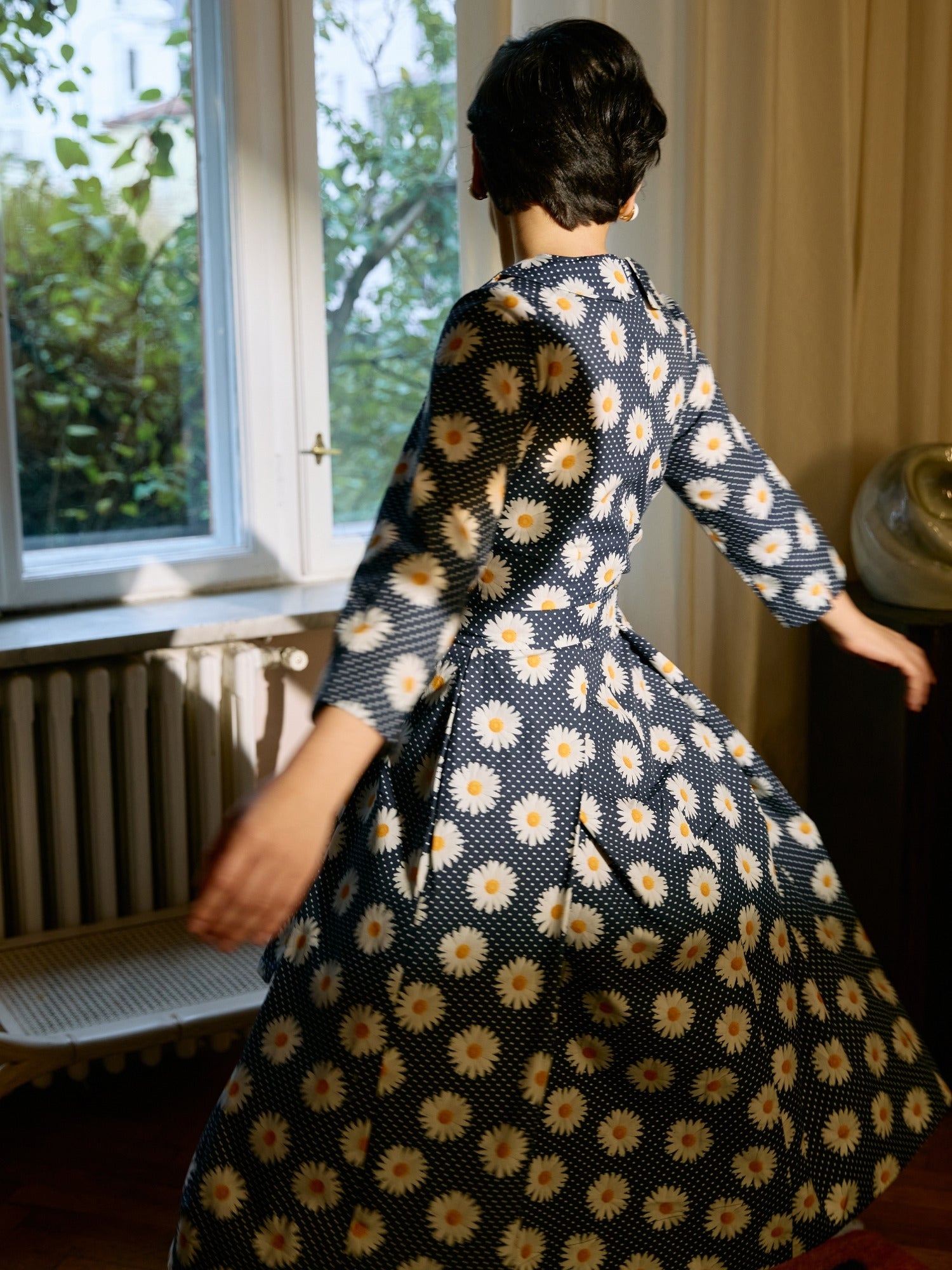



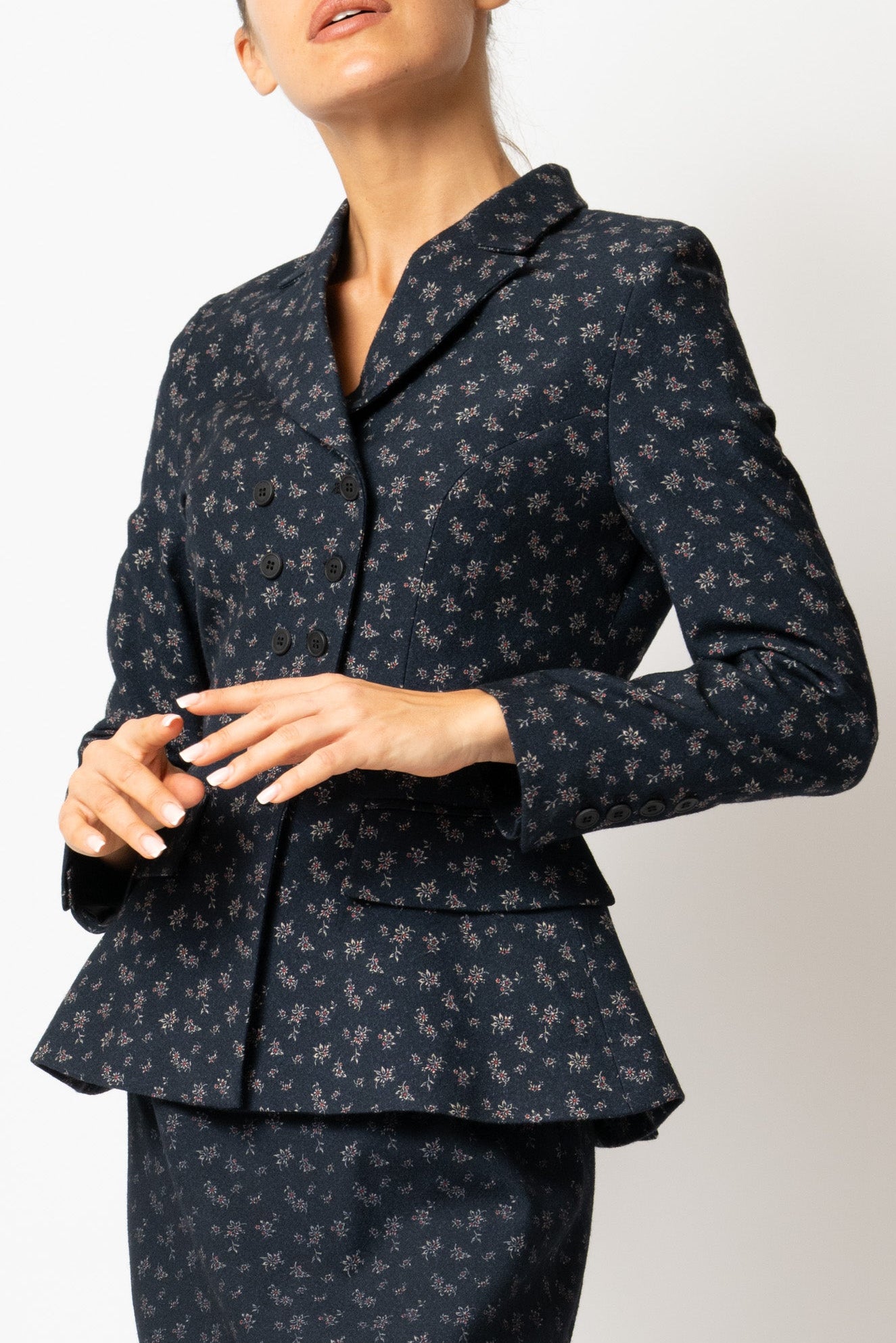
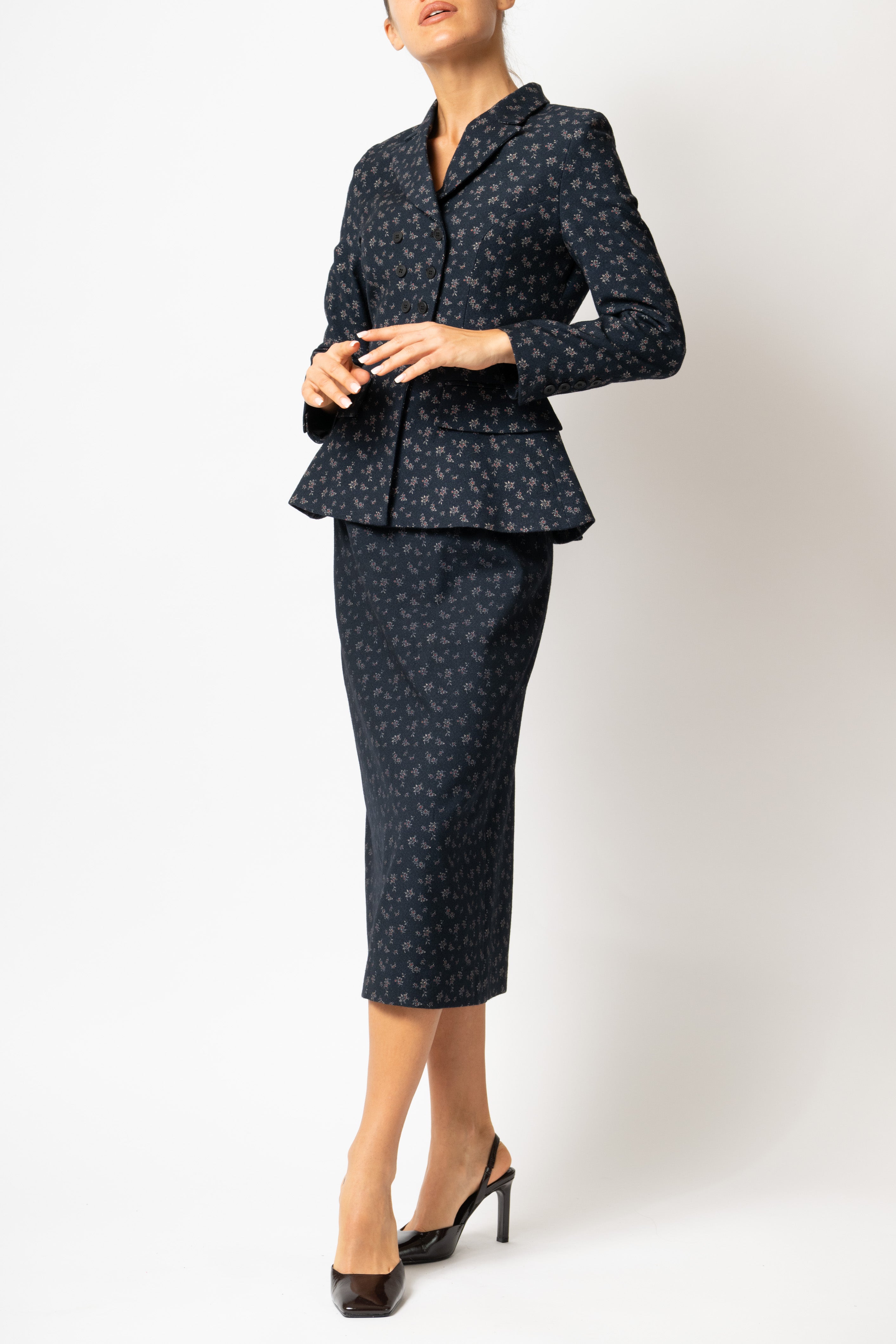
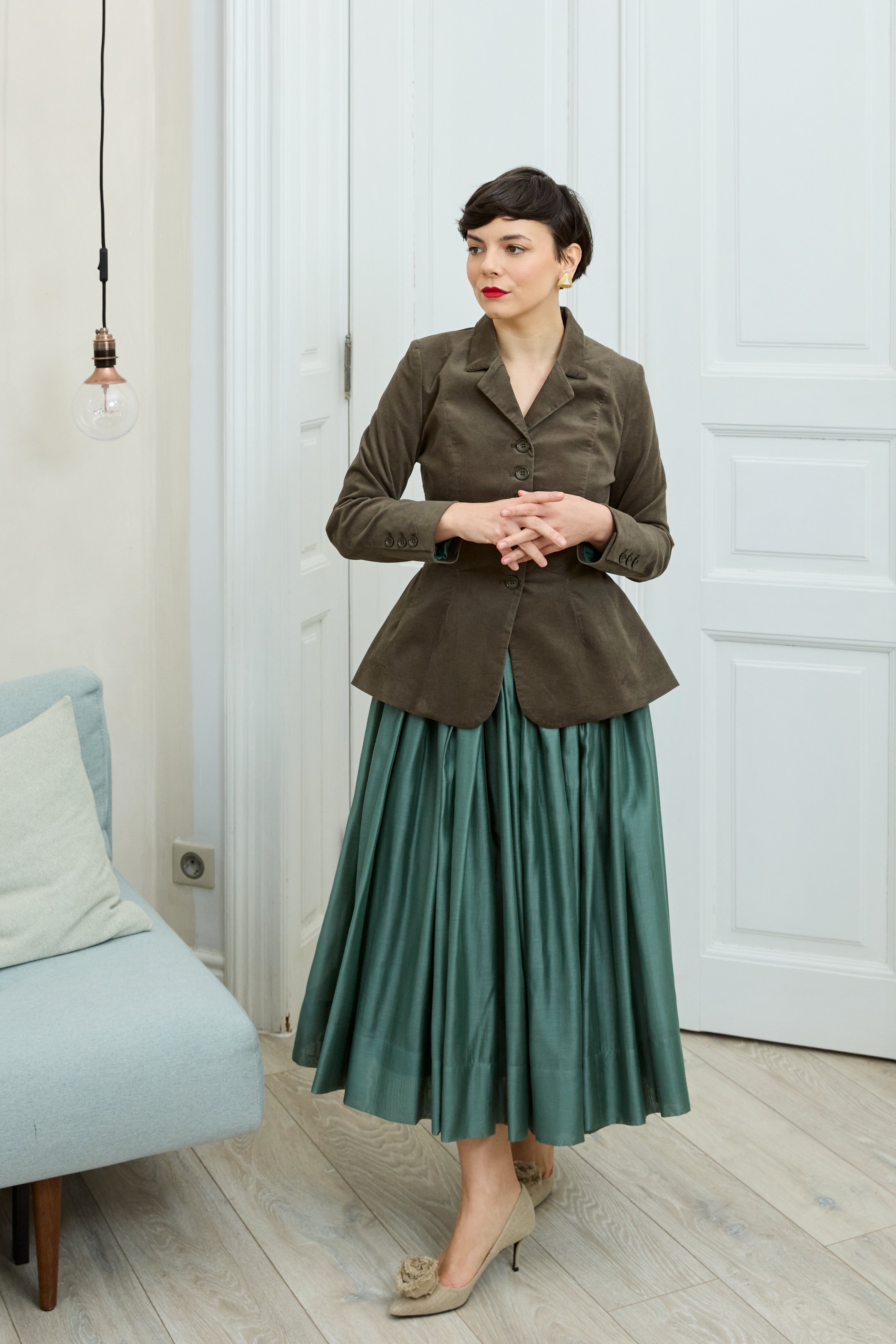

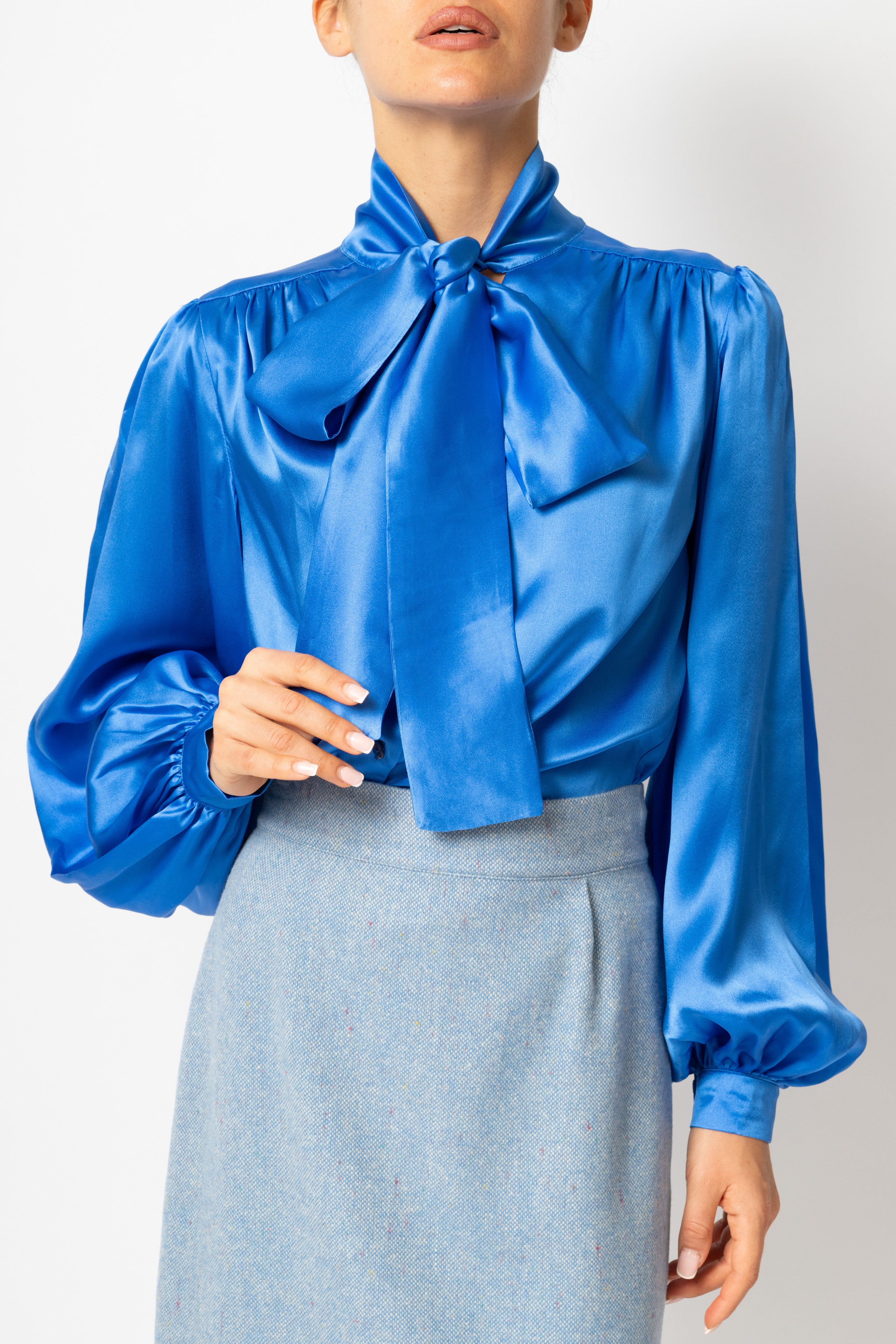
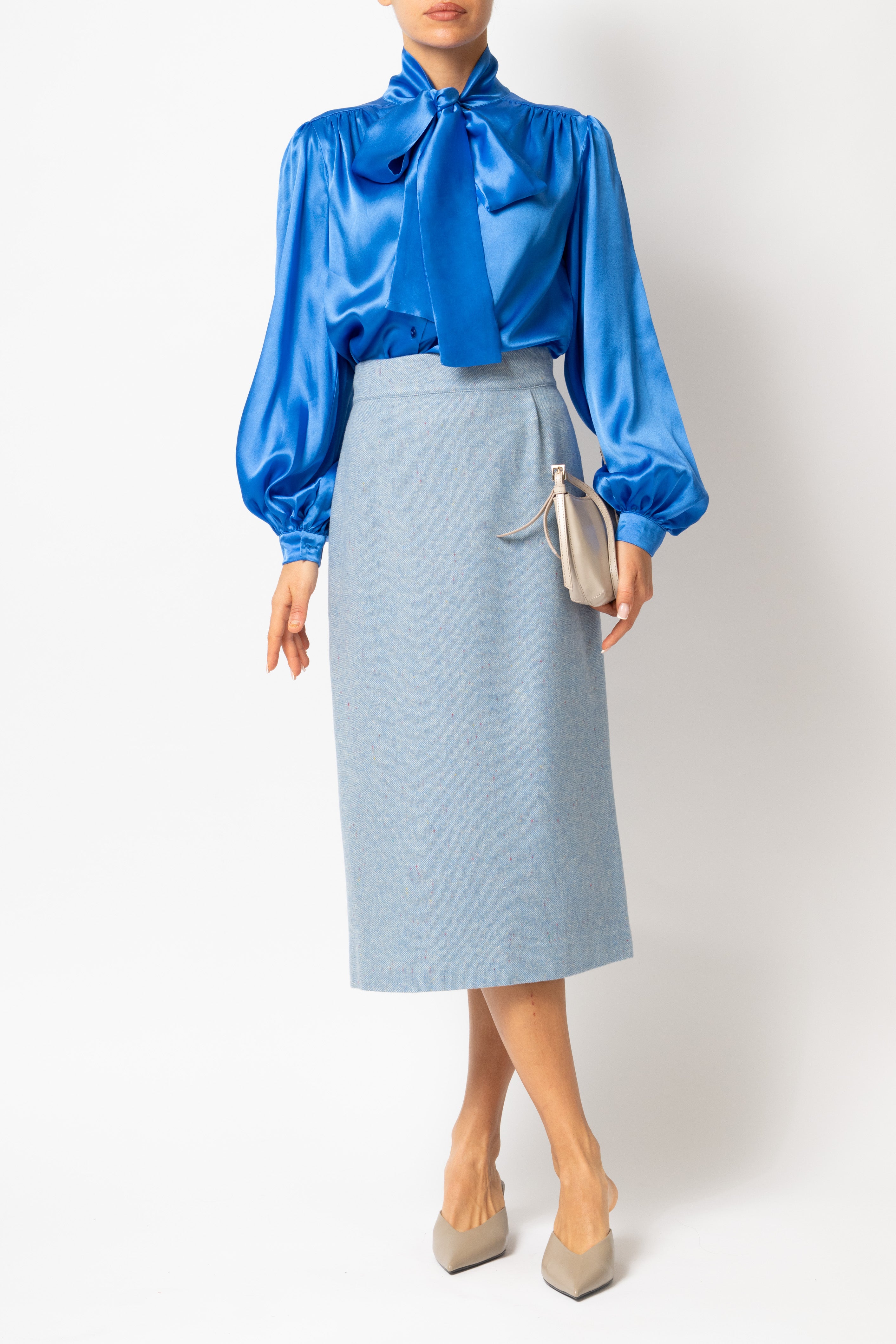
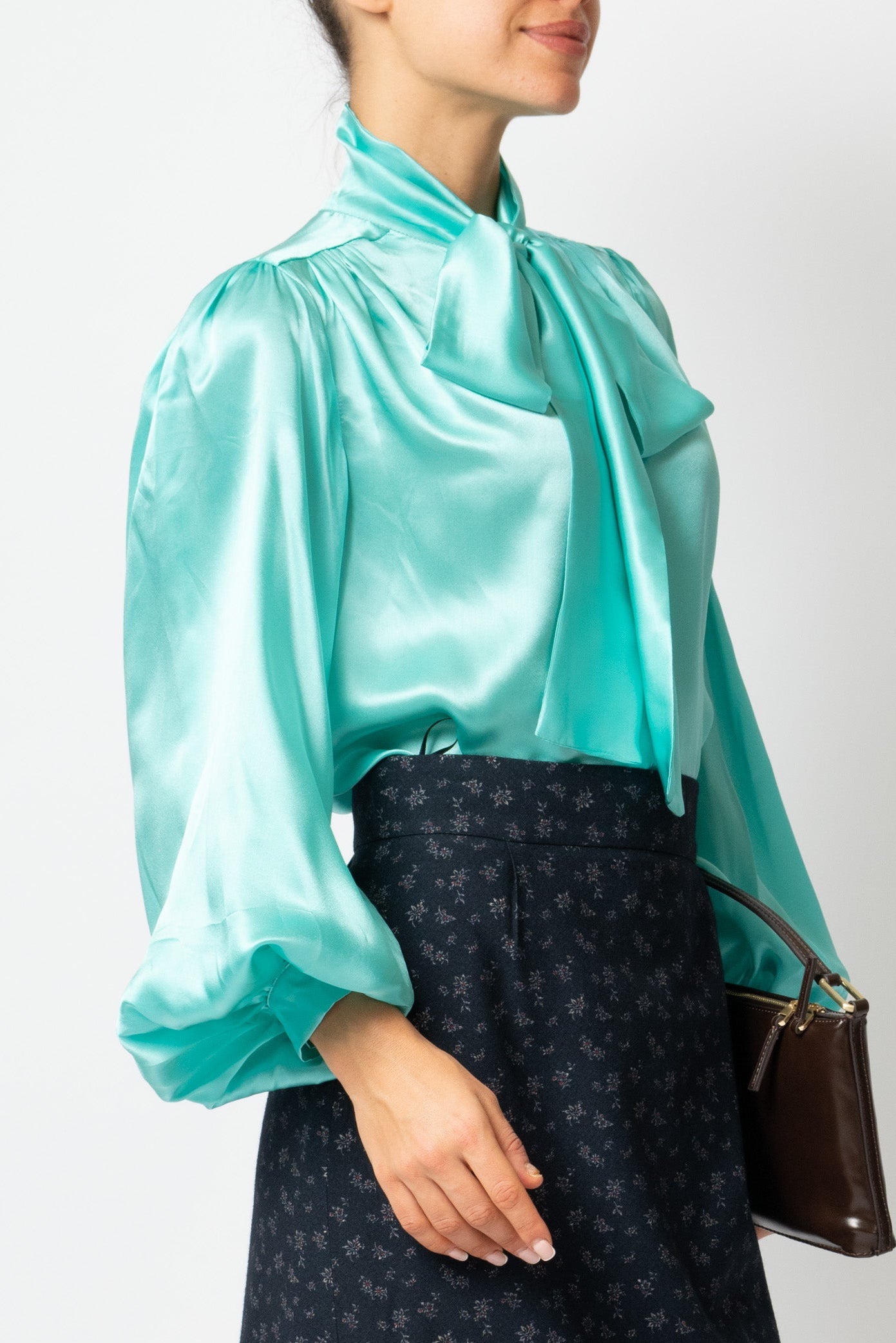
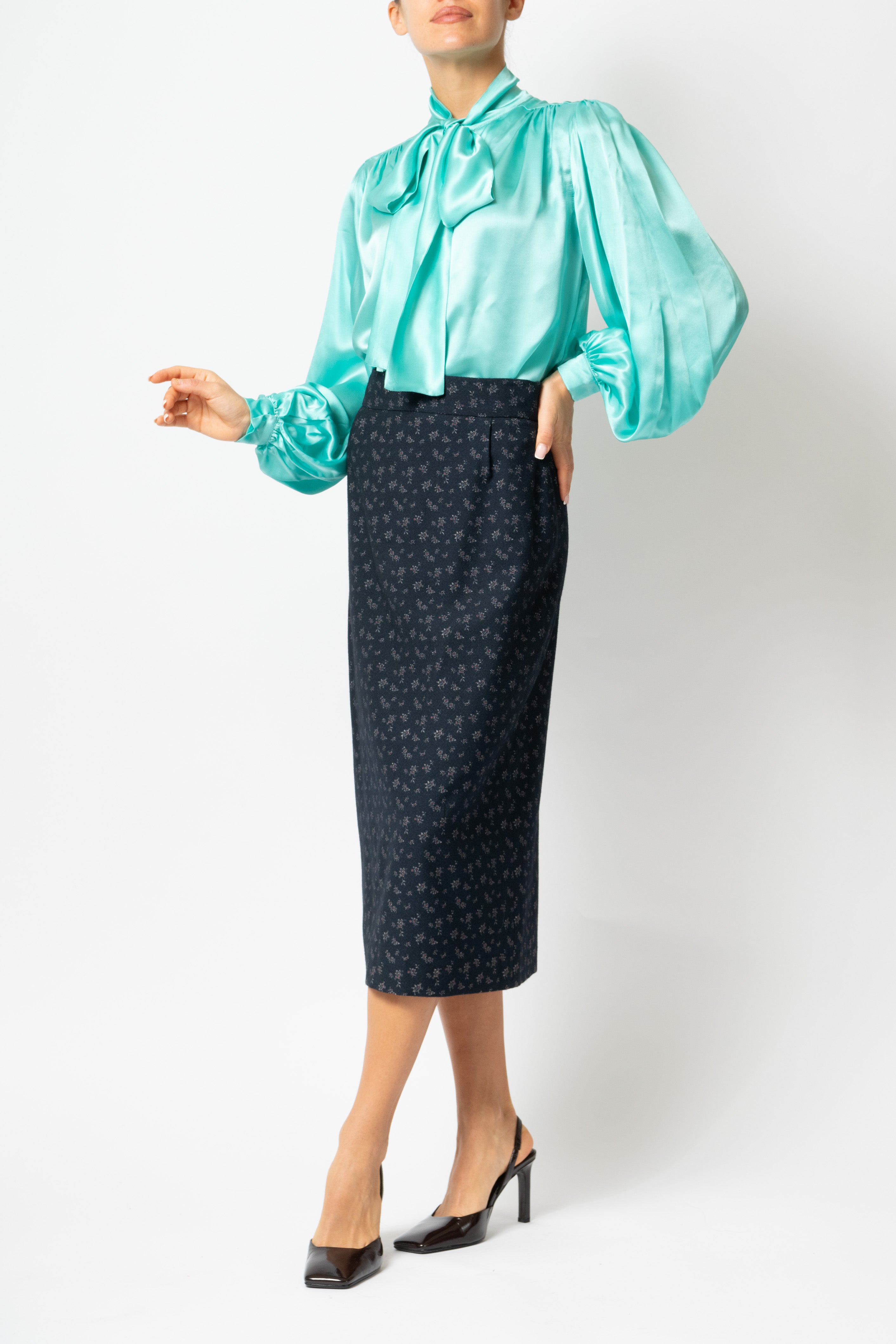
The story of cotton with a small floral print: from Indian chintz to Liberty elegance
The cotton with a small flower print, known today as liberty floral , is more than a fabric. It is a story of trade, craft, art and femininity. It is the expression of delicacy, nostalgia and a form of beauty that has crossed the centuries without losing its charm.
For designers and vintage fashion lovers, this type of cotton fabric represents the perfect balance between comfort, naturalness and refinement. But behind its recognizable aesthetic – small flowers, harmonious repetitions and pastel colors – lies a fascinating history that begins far away, in 17th century India.
Distant Origin: Indian Chintz and Europe's Fascination

It all begins in India, where artisans have been creating chintz – fine cotton fabrics, hand-printed with floral motifs, birds and arabesques – since the 17th century. These prints were made using complex artisanal techniques: the design was applied using hand-carved wooden stamps, and the colors came from natural pigments extracted from plants.
Chintz fabrics were dyed and fixed in several stages, a slow and painstaking process that gave them extraordinary resistance to washing. Their delicate beauty, the brilliance of their colors, and the exoticism of their motifs quickly turned them into objects of desire for European aristocrats.
Through the East India Companies – British, French and Dutch – these fabrics reached Europe, where they became a symbol of colonial luxury. Ladies of high society wore dresses, corsets and underwear made of chintz, and the interiors of wealthy homes were decorated with curtains and upholstery made of the same material.
This fascination with oriental fabrics completely changed Western tastes and laid the foundations for the future European textile industry.

The Industrial Revolution and the Birth of Western Floral Print
With the beginning of the 19th century, England became the world center of the textile industry. The Industrial Revolution brought new production techniques: manual printing with wooden blocks ( block printing ) was gradually replaced by mechanical printing ( roller printing and copperplate printing ).
This innovation makes small flowers accessible to the general public. They are no longer a privilege of the aristocracy, but become part of everyday clothing. Floral prints diversify, new color combinations appear, and cotton becomes the preferred material for comfortable, practical, yet elegant clothes.
During this period, a distinct aesthetic was also formed – that of stylized, repetitive flowers on pastel or dark backgrounds. This aesthetic would define what would later be called liberty print .

Arthur Liberty and the birth of a cultural icon
In 1875, Arthur Lasenby Liberty opened Liberty & Co. in London, which would forever change the way floral prints were perceived. Initially, the store imported fabrics from Asia – silks, cottons and brocades with oriental influences. Over time, Liberty began to produce its own textiles, collaborating with British designers and artists from the Arts & Crafts movement, including William Morris and Edward Burne-Jones.
Arthur Liberty's mission was simple, yet visionary: to bring art into everyday life. Under this philosophy, the first Liberty prints appeared – delicate, airy floral prints, inspired by nature, but reinterpreted with geometric refinement.
These designs were distinguished by their subtle balance: neither too romantic nor too ornate. The colors were matte, slightly dusty, with discreet accents, and the floral design was repetitive and orderly. Thus, liberty cotton became synonymous with English elegance, discreet femininity and a certain visual nostalgia.
Liberty style and the influence of the Arts & Crafts movement
The Arts & Crafts movement, which emerged in the second half of the 19th century, advocated a return to traditional crafts and rejected soulless mass production. Designers of the period saw floral prints as a form of artistic expression – a way to bring nature back into the domestic space and reconnect beauty with utility.
Liberty became a catalyst for this movement. The fabrics produced in its workshops were used not only in fashion but also in interior decoration, tapestries, curtains and cushions. They decorated the homes of the educated middle class, eager to adopt an aesthetic but affordable lifestyle.
Thus, Liberty prints were not just textiles, but a statement of values: the appreciation of beauty, craftsmanship, and a form of intellectual, cultured, and reserved femininity.
20th Century – Democratization of Floral Aesthetics
In the 1920s and 1930s, Liberty prints were already synonymous with English femininity. They were worn with flowing dresses, fine cotton shirts and elegant accessories. During this period, fashion relaxed: the corset disappeared, and silhouettes became more fluid and natural.
After World War II, in the 1950s, post-war romanticism brought small flowers back into the spotlight. Dresses with full skirts, a defined waist, and puffy sleeves were made of liberty cotton, which became the favorite material of modern, active women, but still attached to the idea of classic femininity.
In France and Italy, this style is reinterpreted through the prism of le charme campagnard – the elegant rustic charm. European designers take floral prints and transform them into symbols of simple life, summers spent in the country and a timeless, almost poetic aesthetic.

Liberty today – between tradition and contemporaneity
The Liberty Studio in London still maintains a vast archive of over 45,000 original prints. These designs, inspired by flowers, plants and botanical elements, are digitally redrawn, but retain the authentic spirit of the original design.
The most famous material remains Tana Lawn Cotton , named after Lake Tana in Ethiopia, where the highest quality cotton originally came from. It is a mercerized cotton, smooth as silk, but with a perfect fit for flowing and comfortable clothes.
Today, Liberty prints are used by luxury brands and independent designers alike, and are recognized globally for their unmistakable quality. They appear in contemporary collections, designer collaborations, capsule collections and vintage reinterpretations.
Liberty has become more than a name – it is an institution of British refinement, a visual language that has crossed the centuries without going out of style.
Why we still love small floral prints
There is something deeply human about the attraction to flowers. They symbolize life, the ephemeral beauty, the nature that surrounds us. Small flowers printed on cotton convey a feeling of warmth, tenderness and nostalgia.
For many women, a liberty cotton dress is not just a piece of clothing, but a sensory experience. The natural material allows the skin to breathe, the print creates emotion, and the vintage aesthetic offers visual comfort and identity.
This fabric fits perfectly with current trends that promote sustainable fashion and a return to natural materials. In a world dominated by fast fashion and synthetics, a traditional printed cotton is a form of resistance through beauty.

Liberty as a source of inspiration in contemporary fashion
Today's designers constantly return to small floral prints because they immediately communicate a recognizable message: femininity, delicacy, balance.
Whether used in modern cuts, oversized shirts, midi dresses with an accentuated waist or romantic blouses, these prints remain relevant.
At the same time, their reinterpretation in designer collections – either in monochrome versions or in contrasting combinations – shows how versatile this motif is.
Liberty means more than flowers on cotton. It means tradition, craftsmanship and a textile art form that has survived industrialization, globalization and digitalization.

Milla Milla and the dresses with small flowers
Liberty floral cotton is proof that beauty never goes out of style. From hand-painted Indian chintz to London's Liberty studios, this story woven in colors and shapes has spanned centuries, cultures and continents.
It is a story about how art, craftsmanship and feminine sensitivity can transform a simple material into a universal symbol of natural elegance.
For us, cotton with small flower prints remains an inexhaustible source of inspiration. For women, it continues to be the perfect expression of refined, romantic and authentic femininity.

Written by LUDMILA CORLATEANU


Leave a comment
This site is protected by hCaptcha and the hCaptcha Privacy Policy and Terms of Service apply.