


The secret frequency of clothes: how the fabrics you wear vibrate

We've gotten used to talking about clothes in terms of aesthetics, trends, or prices. We choose a dress because we like how it looks in the mirror, because it's comfortable, or because it flatters our figure. But beyond these visible criteria, there's a subtle, almost invisible dimension: the energy that the fabric carries .
Everything in the universe vibrates at some level – from stars to molecules, from flowers to our own breath. Clothes are no exception. The materials they are made of transmit not only tactile sensations, but also a subtle frequency, a “rhythm” that our body feels even if we are not aware of it.
In this exploration, we will delve into the fascinating world of textile vibrations: what science says, what spiritual traditions have observed, how we feel the difference between a linen dress and a polyester one, and why choosing natural fibers can be a form of care for our own energy.
Fabric as frequency: between science and metaphor
Scientifically, every material is made up of molecules, and molecules are constantly vibrating. These vibrations define the material's properties: how quickly it absorbs moisture, how it interacts with body heat, how well it conducts electricity.
From a holistic point of view, this vibration becomes more than a physical characteristic – it is perceived as a subtle energy that influences the well-being of the body and mind.
The truth can be seen as a dance between the two interpretations. What we feel as "low energy" in polyester translates into physical discomfort: dampness, suffocation, overheating. What we feel as "high energy" in linen is explained by freshness, freedom of the skin and a sense of connection to nature.
Natural fibers vs. synthetic fibers – two different worlds
Cotton: purity and balance
Cotton is one of the oldest fibers used by man. Its ability to absorb moisture and release it makes it perceived as a "clean" material. It is gentle on the skin and stays cool on hot days. Holistically, cotton is associated with simplicity, balance and purity.
Flax: the highest vibration
Linen is considered the material with the strongest natural frequency. The Egyptians used it for sacred clothing and rituals, convinced that it protected from negative energies. Today, many people feel it as a fabric that brings clarity, coolness and freedom.
Wool: warmth and protection
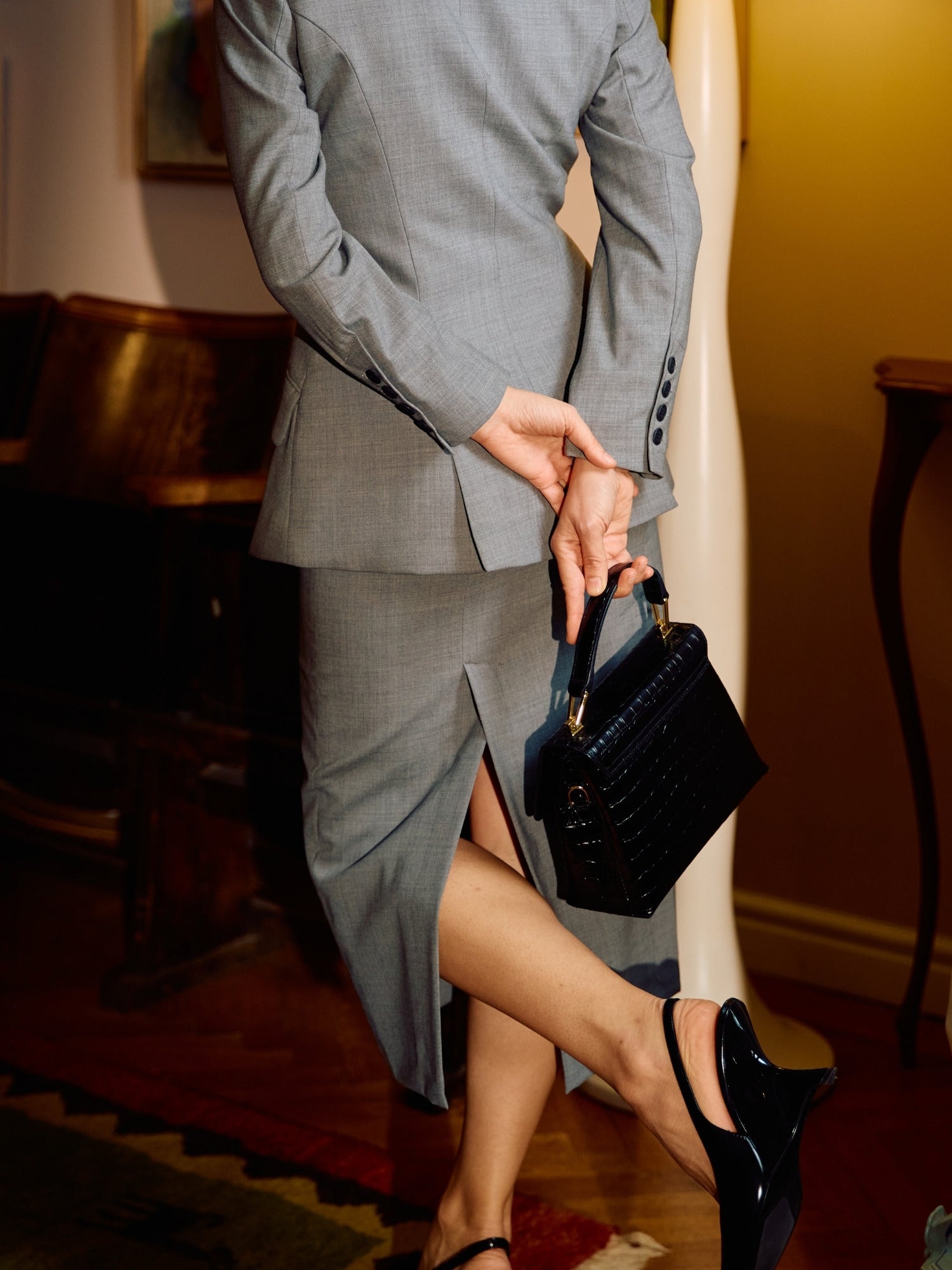
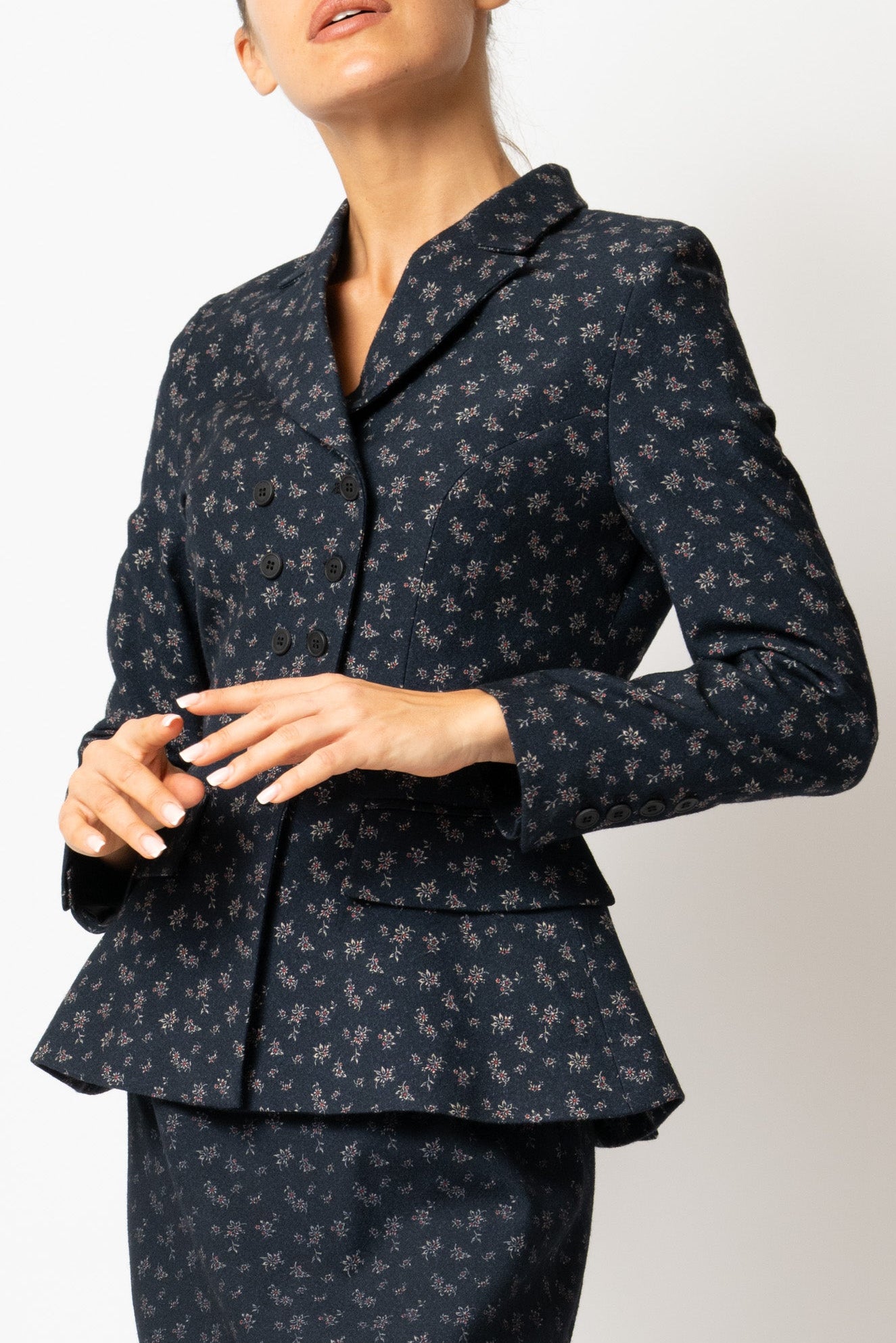
Wool has unique thermal properties, retaining body heat even when wet. It is seen holistically as a fiber of security, stability and connection to natural rhythms.
Polyester: artificial and inert
Polyester is durable and inexpensive, but it does not breathe or absorb moisture. It is easily electrified and retains odors. From an energetic perspective, it is perceived as lifeless, a "dead" layer between the skin and the world. Many people intuitively feel it as a source of subtle discomfort.
Scientific evidence about the comfort of fibers
Studies in the field of textiles confirm what we instinctively feel.
-
Natural fibers like cotton and linen are hygroscopic , meaning they absorb up to 20% of their weight in moisture without feeling wet. Polyester absorbs less than 1%, which causes sweat to stick to the skin.
-
Natural fibers allow air transfer through their irregular structure, while synthetic fibers have a more compact surface.
-
It allows the body to regulate its temperature through natural evaporation, which is why we feel more "airy" in cotton and linen.
These practical differences translate into psychological sensations. When the body is not stressed by heat or humidity, the mind relaxes and perceives a state of well-being.
Spiritual traditions and the significance of fibers
Throughout time, textiles have had symbolic and sacred roles.
-
Ancient Egypt : White linen was used for priests' clothes and for mummified bandages, being considered the material of light.
-
India : Cotton was a fiber associated with purity and modesty. It was recommended in yoga and meditation practices because it "does not block the body's energy."
-
Medieval Europe : Wool was associated with everyday life and survival. Monks wore coarse woolen robes as a symbol of humility.
-
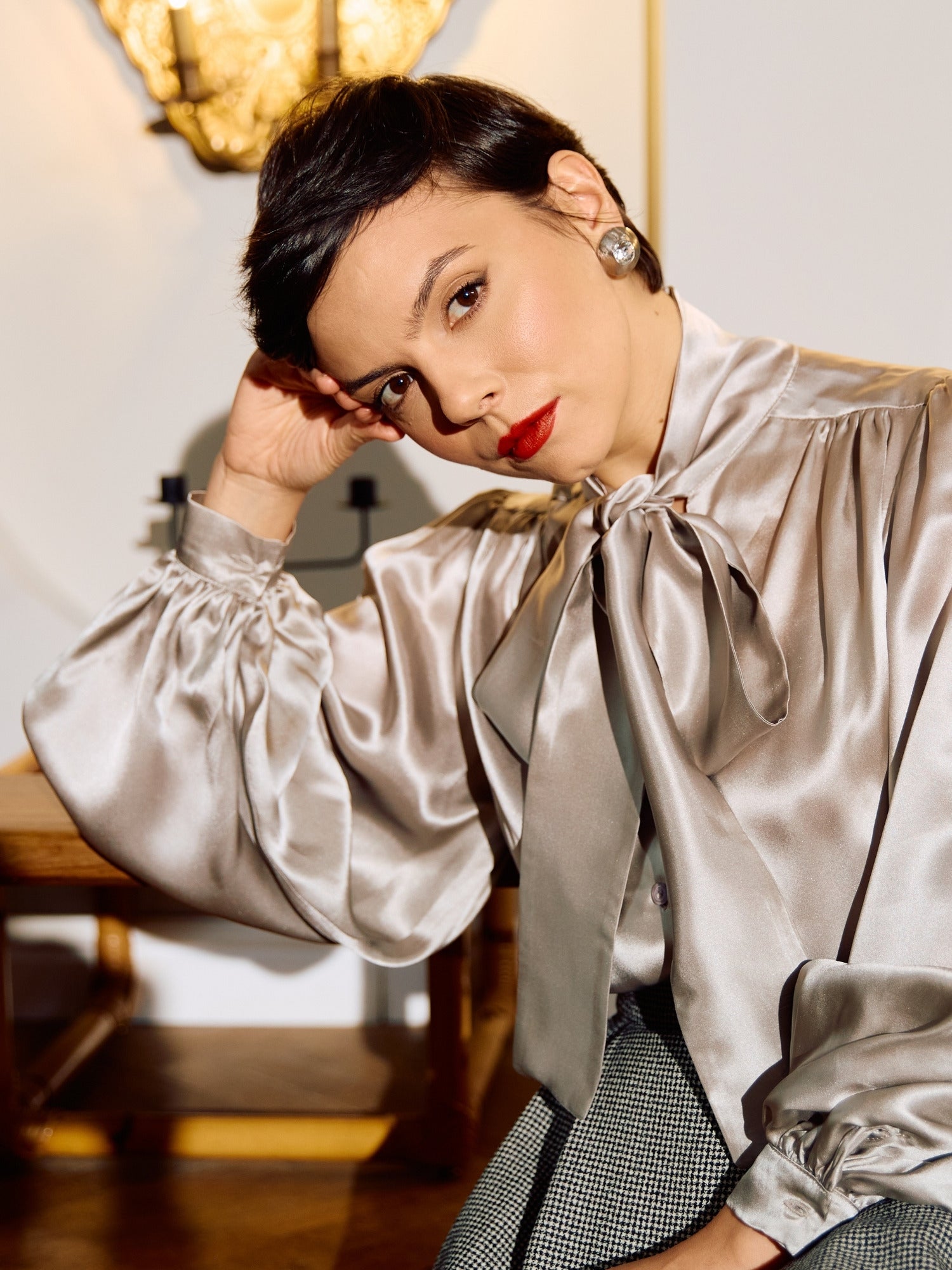
Asia : Silk, also a natural fiber, was linked to status, luxury, and refinement, but was also perceived as having a delicate, feminine vibe.
In all these cultures, the choice of fabric was not accidental. Fabric was a bridge between body and spirit.
How clothes influence well-being
When we wear natural fibers, the body responds with relaxation:
-
the temperature remains constant,
-
the skin breathes,
-
the humidity is regulated,
-
odors dissipate faster.
This physical state translates into a subtle sensation of calm and trust. Exactly what many traditions call "high vibration."
On the other hand, synthetic clothing can create tension: overheating, feeling sticky, constant discomfort. The result is fatigue and irritation. This is perceived as a "low vibration."
Practical recommendations for choosing fabrics
-
Read the labels – look for cotton, linen, wool or silk. Avoid 100% synthetic fabrics.
-
Feel the material – natural fabrics are cooler to the touch and warm up gradually, while polyester has a constant, artificial feel.
-
Observe breathability – hold the material close to your mouth and blow through it. If air passes through easily, the fabric will be comfortable.
-
Choose natural colors – aggressive dyes can load the material with chemicals that affect both the body and energy.
-
Care properly – wash with mild detergents, avoid overloading with synthetic fragrances. This way, natural fibers retain their vibrant vibrancy.
Milla Milla and the choice of natural fibers
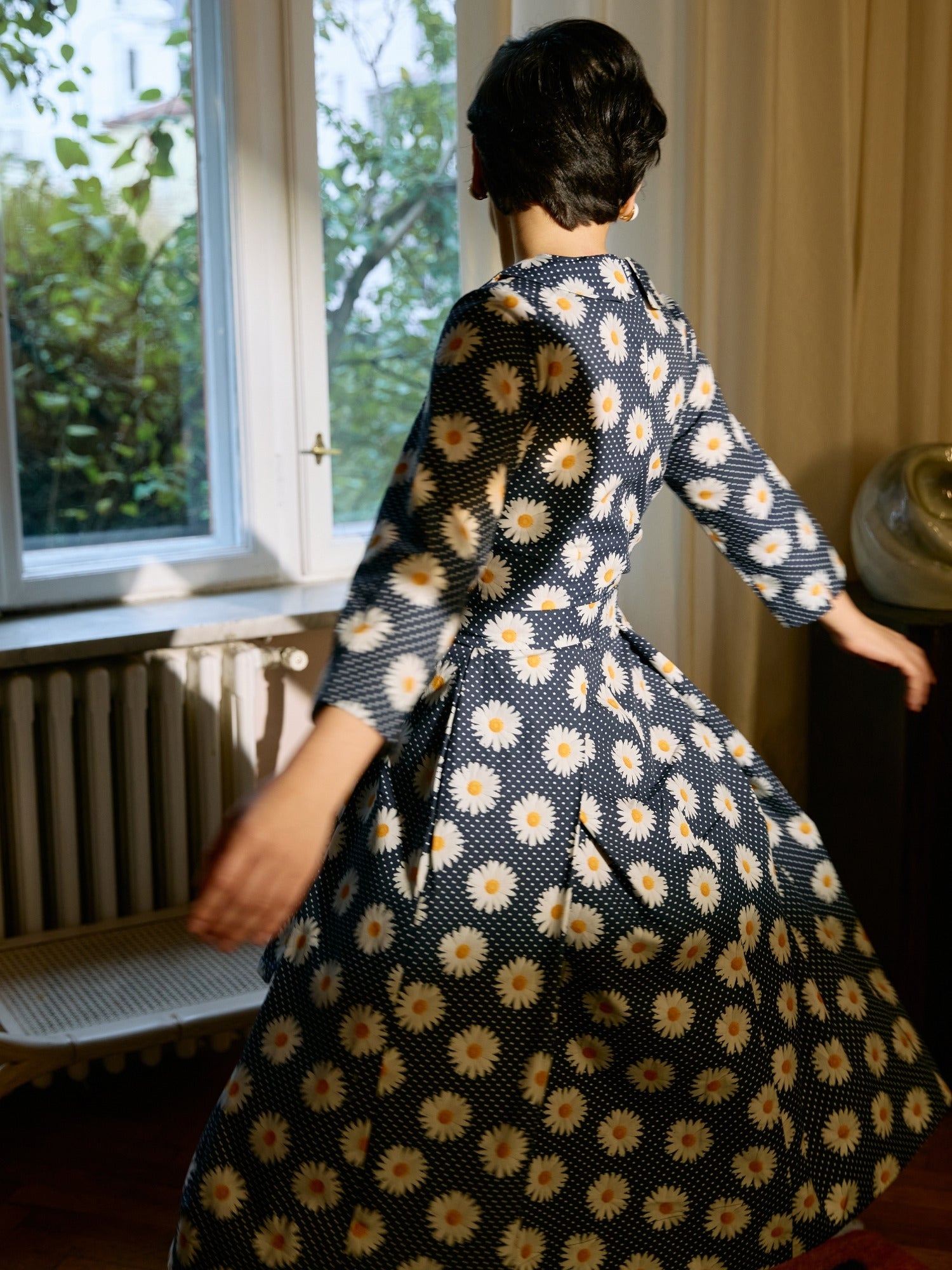
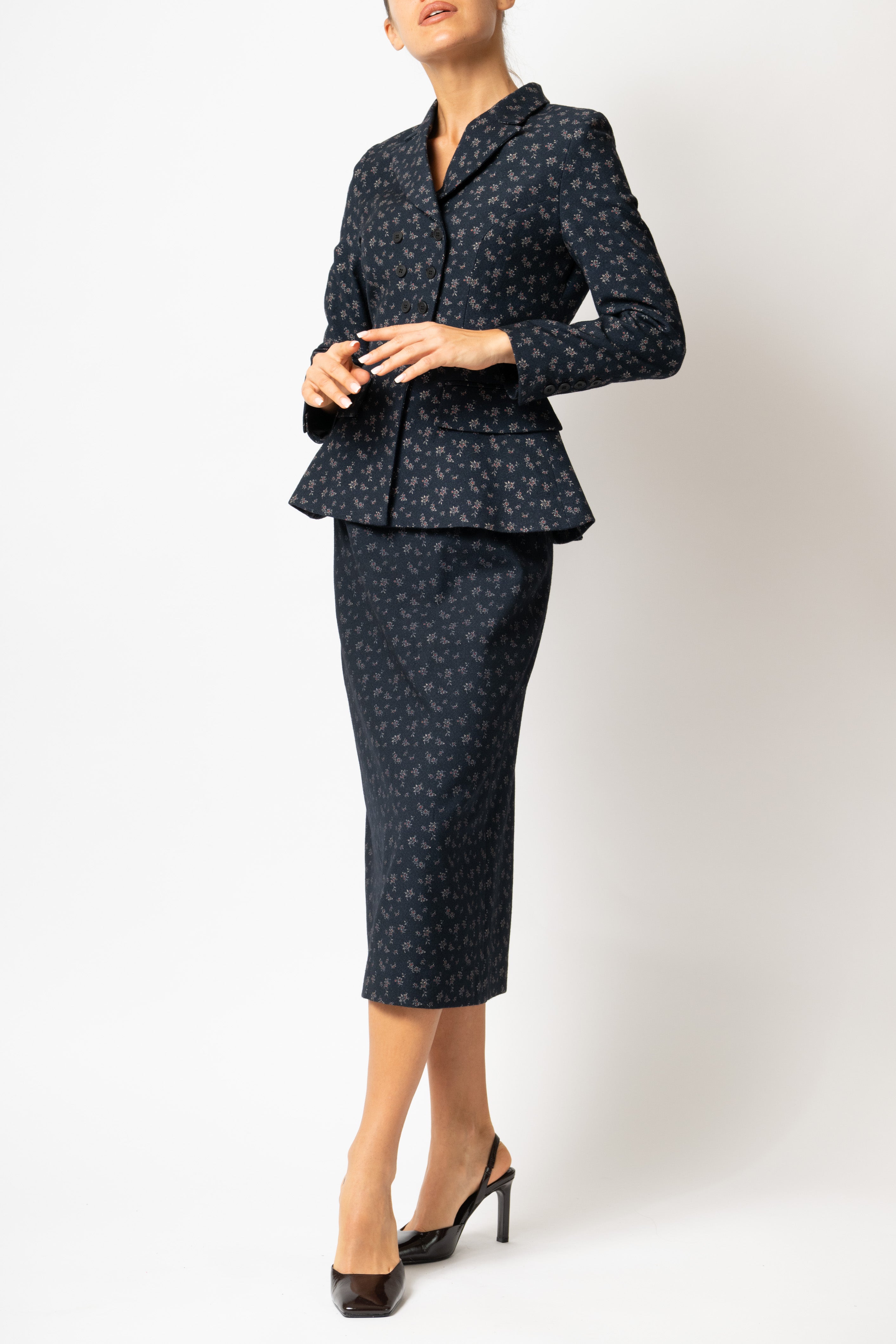
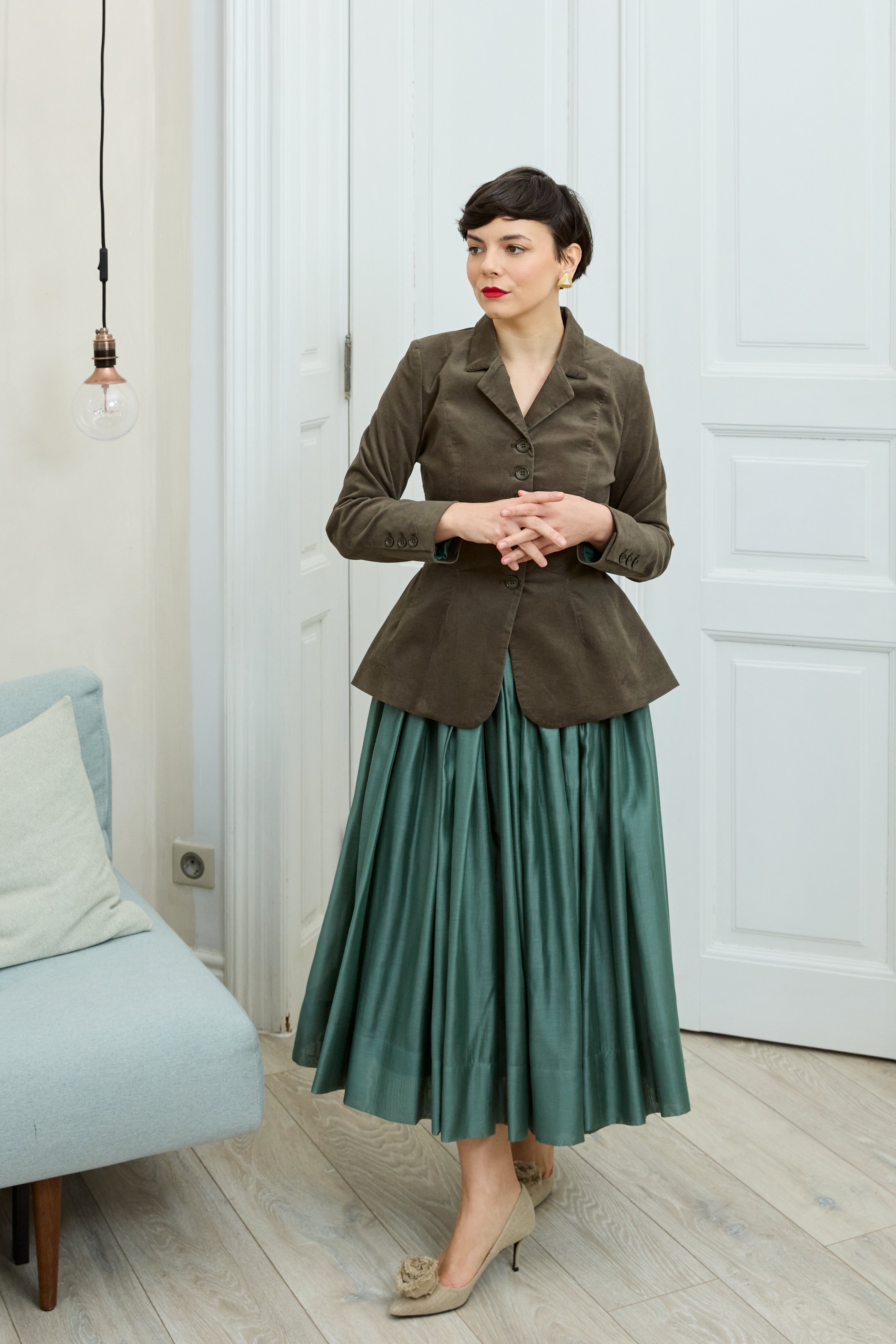
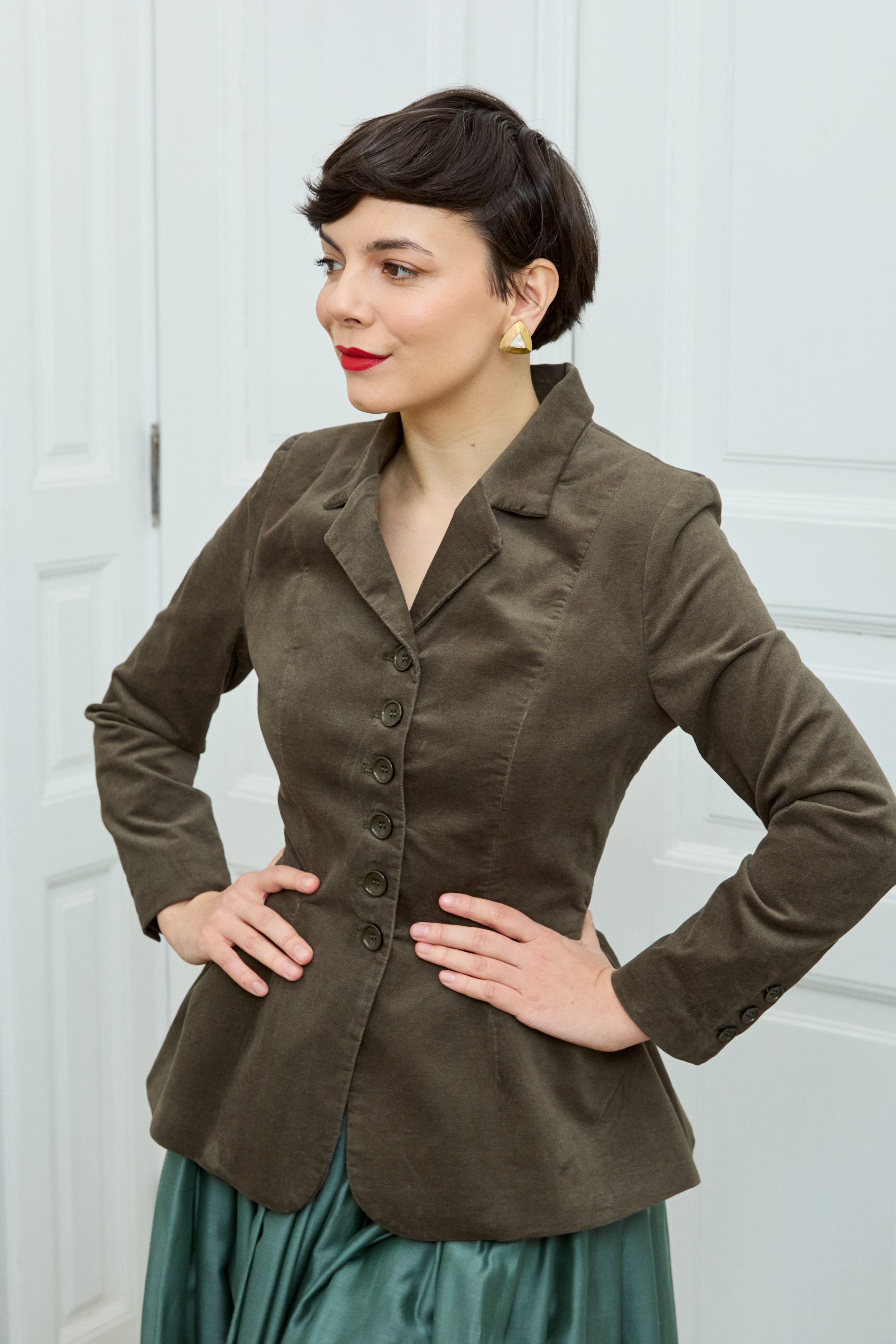
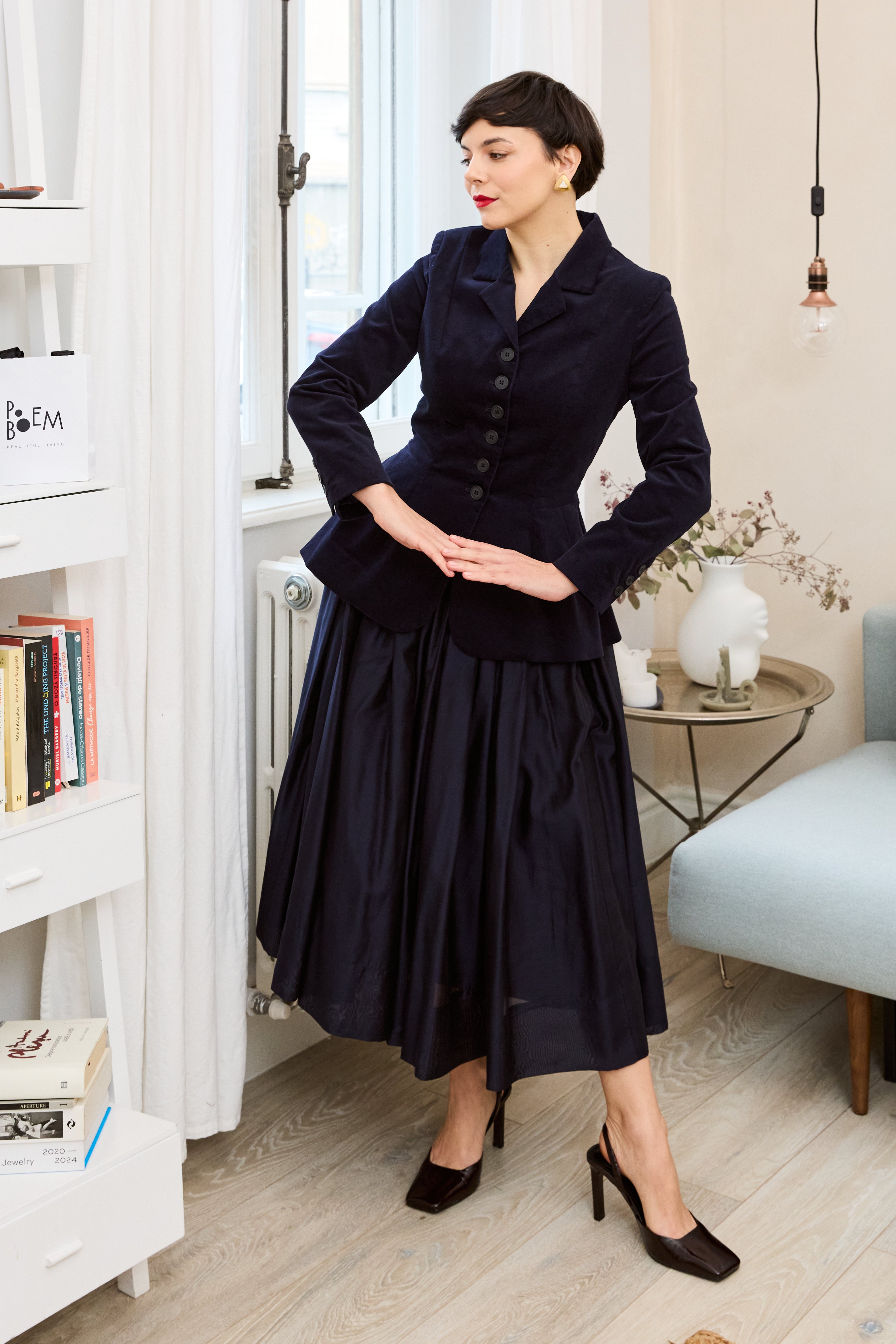
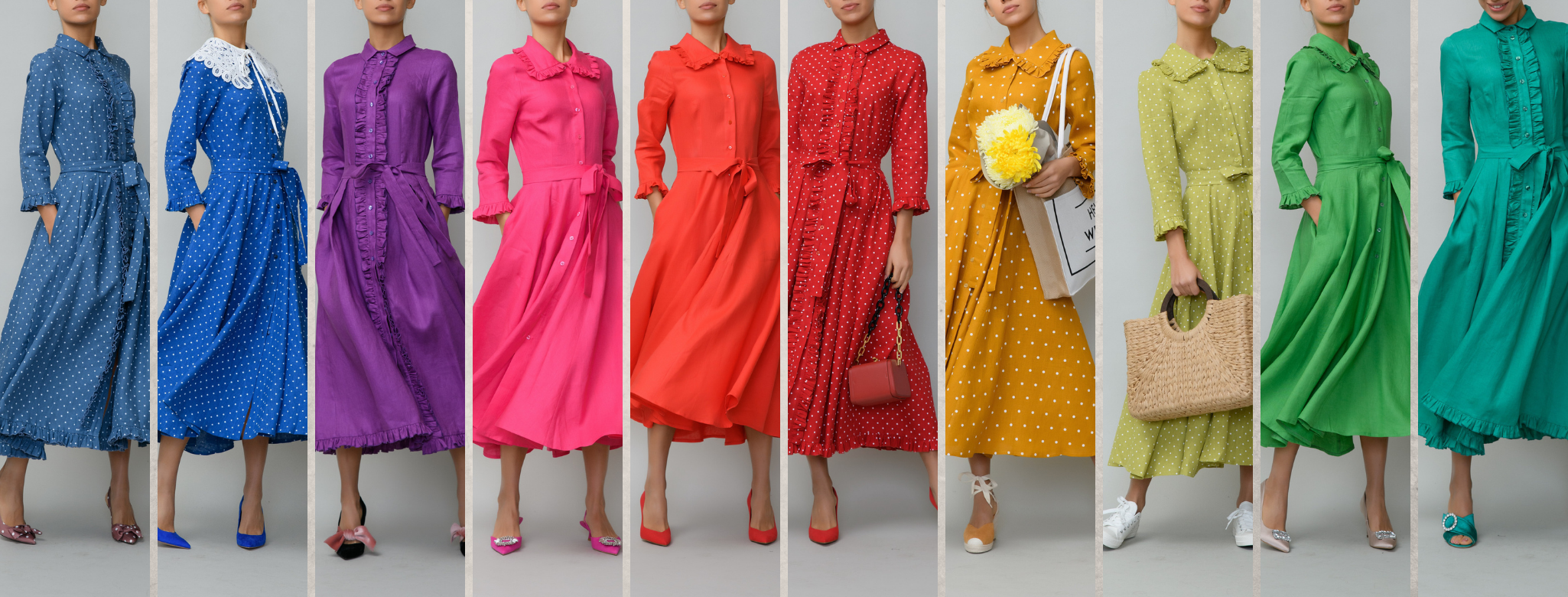
At Milla Milla we have consciously chosen to work only with natural fibers. Not because it is easier, but because they give life to the dresses and the women who wear them .
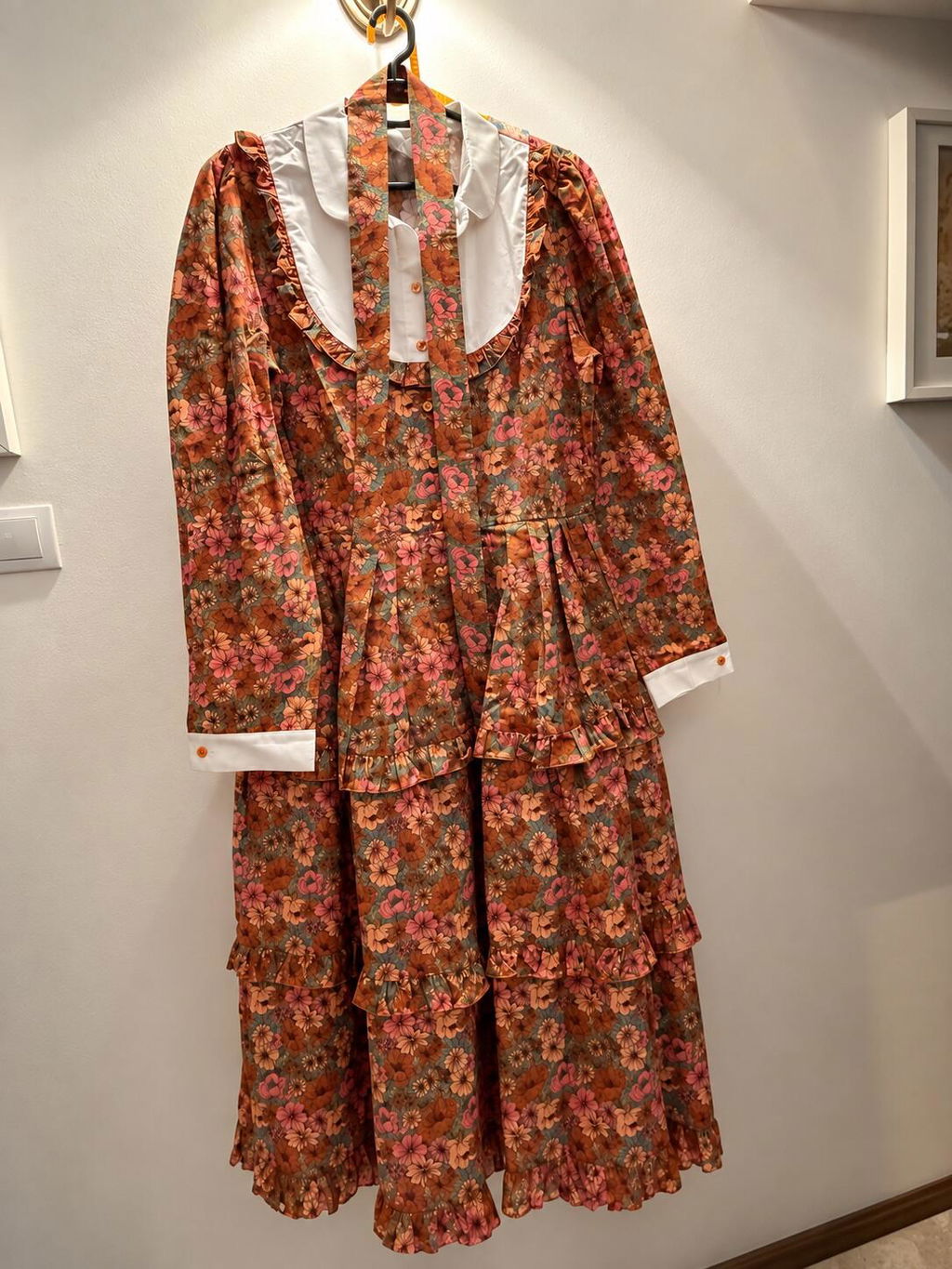
Each dress is a combination of design inspired by 50s femininity and the vibration of organic materials. When you wear a Milla Milla model, you are not just wearing a piece of clothing – but a breathing space, a wave of positive energy, a frequency that resonates with you.
We want women to feel seen, admired, and grounded in their own energy. That's why choosing materials is more than a practical decision - it's a statement about how we want to feel every day.

Conclusion: clothing as energy
In the world of fast fashion, where polyester dominates through low prices and mass production, choosing natural fibers becomes an act of returning to the essence. It is a choice of health, aesthetics, but also of vibration.
The clothes you wear touch your skin, envelop your breath, accompany your steps. You deserve them to be alive, to have a frequency that supports your energy, not diminishes it.
When you choose a dress made of cotton, linen or wool, you are choosing more than a style. You are choosing to be enveloped by a material that resonates with you, that reminds you that beauty is not just what is seen, but also what vibrates within.

Written by LUDMILA CORLATEANU
Leave a comment
This site is protected by hCaptcha and the hCaptcha Privacy Policy and Terms of Service apply.