


What is Rayon (Viscose): A Complete Guide to the Semi-Natural Fiber That Imitates Silk

Introduction
When you say "cactus silk" or "artificial silk," you're actually talking about rayon —or viscose , as it's better known in Europe. It's a fabric that's been a part of our wardrobes for over 100 years and continues to be one of the most popular due to its elegant look, affordable price, and versatility.
Rayon is a unique fiber: it is neither completely natural nor completely synthetic. It falls into the category of semi-natural fibers, because it is made from regenerated cellulose from wood, bamboo or other plants, but goes through a chemical process to be transformed into textile yarn.
In this article you will find out:
-
what is rayon and how is it produced,
-
what is its history,
-
why is it also called viscose,
-
what are the benefits and disadvantages,
-
what types of rayon exist (including Tencel, Modal and Cupro),
-
how to care for rayon clothes,
-
and why it remains so appreciated in fashion.
What is Rayon?
Rayon is a semi-synthetic fiber made from regenerated cellulose. In other words, the raw material is natural – wood, bamboo or agricultural residues – but the fiber goes through a chemical process to become yarn that can be woven.
It has the same molecular structure as plant cellulose, which is why it closely resembles natural fibers like cotton or linen. The difference is that rayon can be "molded" to mimic almost anything: silk, wool, cotton, or even linen.
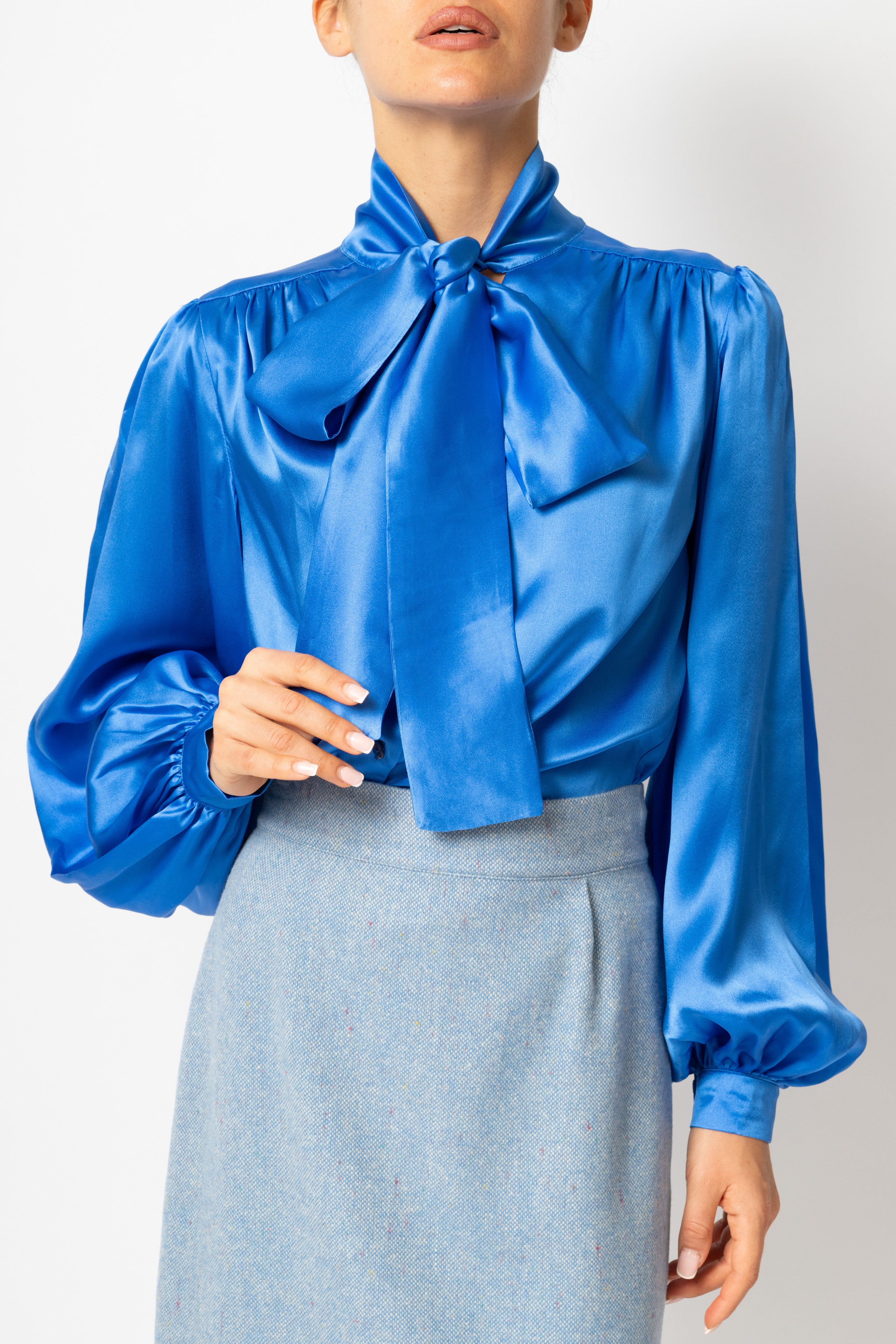
When you touch it, rayon has a smooth, soft, and fluid feel. Sometimes it is so similar to silk that many people call it artificial silk .
The origin and history of rayon
The rayon has a fascinating story that begins at the end of the 19th century.
-
1894 – English chemist Charles Frederick Cross, together with Edward John Bevan and Clayton Beadle, patents "artificial silk".
-
Their process involves a very viscous solution, which is why the material was named "viscose".
-
1924 – the name "rayon" appears, adopted especially in the United States.
-
In Europe, the name "viscose" continued to be used for the resulting fabric.
Thus, when you hear "rayon", "viscose" or "artificial silk", they all refer to the same type of fiber, but the names differ depending on the region and historical period.
District properties
Rayon has quickly become popular due to its versatility. It is a material that combines the comfort of natural fibers with certain qualities of synthetic fibers.
Texture and feel
-
Soft and smooth, very pleasant to the touch.
-
Fluid and elegant, it perfectly imitates silk.
-
Slightly cool on the skin, making it ideal for warm climates.
Comfort
-
Highly absorbent – absorbs moisture much better than cotton.
-
It breathes, allowing the skin to remain dry and comfortable.
-
It does not retain heat, making it preferred in summer.
Aesthetics
-
It can be painted in a wide range of vibrant colors.
-
It can imitate silk, wool, linen or cotton.
-
It has a premium look, but at an affordable price.
disadvantage
-
It siphons easily.
-
It is more delicate than cotton or linen.
-
Some types of rayon can shrink or warp if not cared for properly.
Types of rayon and its relatives
Over time, technology has allowed the creation of several types of rayon, each with specific properties.
Viscose
The most common type. It is soft, shiny, and easy to dye. It is used in dresses, shirts, bed linens, and even curtains.
Modal
Also made from cellulose, but through an improved process. It is more resistant, more elastic and finer than classic viscose. It is widely used in underwear and sportswear.
Copper
Made from cotton linters, it is very soft, with a silky appearance, but skin-friendly and hypoallergenic.
Tencel (Lyocell)
Considered the most environmentally friendly option, Tencel is made from eucalyptus wood and processed through an environmentally friendly process. It is durable, soft and very pleasant to wear.
All these variants are part of the same "family" of semi-natural fibers, having the same base: regenerated cellulose.
Where is rayon used?
Rayon is extremely versatile and is found in a multitude of products:
-
Clothing: flowy dresses, shirts, blouses, skirts, lingerie.
-
Home textiles: bed linen, tablecloths, curtains.
-
Technical products: medical cotton, industrial filters, even banknotes in some countries.
The reason it's so popular: it imitates the luxury of silk or other expensive materials, but at affordable costs.
How to care for rayon clothes
Many people avoid rayon because they find it difficult to maintain. In reality, it's simple if you follow a few rules:
-
Washing: most products can be machine washed, delicate cycle, cold water or max. 30 degrees.
-
Detergent: mild, without strong bleaches.
-
Drying: best to air dry, on a hanger. Do not wring too hard.
-
Ironing: at low or medium temperature, preferably when slightly damp.
If you follow these rules, rayon clothes will retain their beauty and durability.
Why is rayon so popular?
-
Premium look at an affordable price. Looks like silk, but costs much less.
-
Comfort in hot climates. It is cool and absorbent, perfect for summer.
-
Versatility. It can be woven in many ways and dyed in spectacular colors.
-
Relative sustainability. Although it involves a chemical process, the raw material is renewable (wood, bamboo).
Rayon in modern fashion
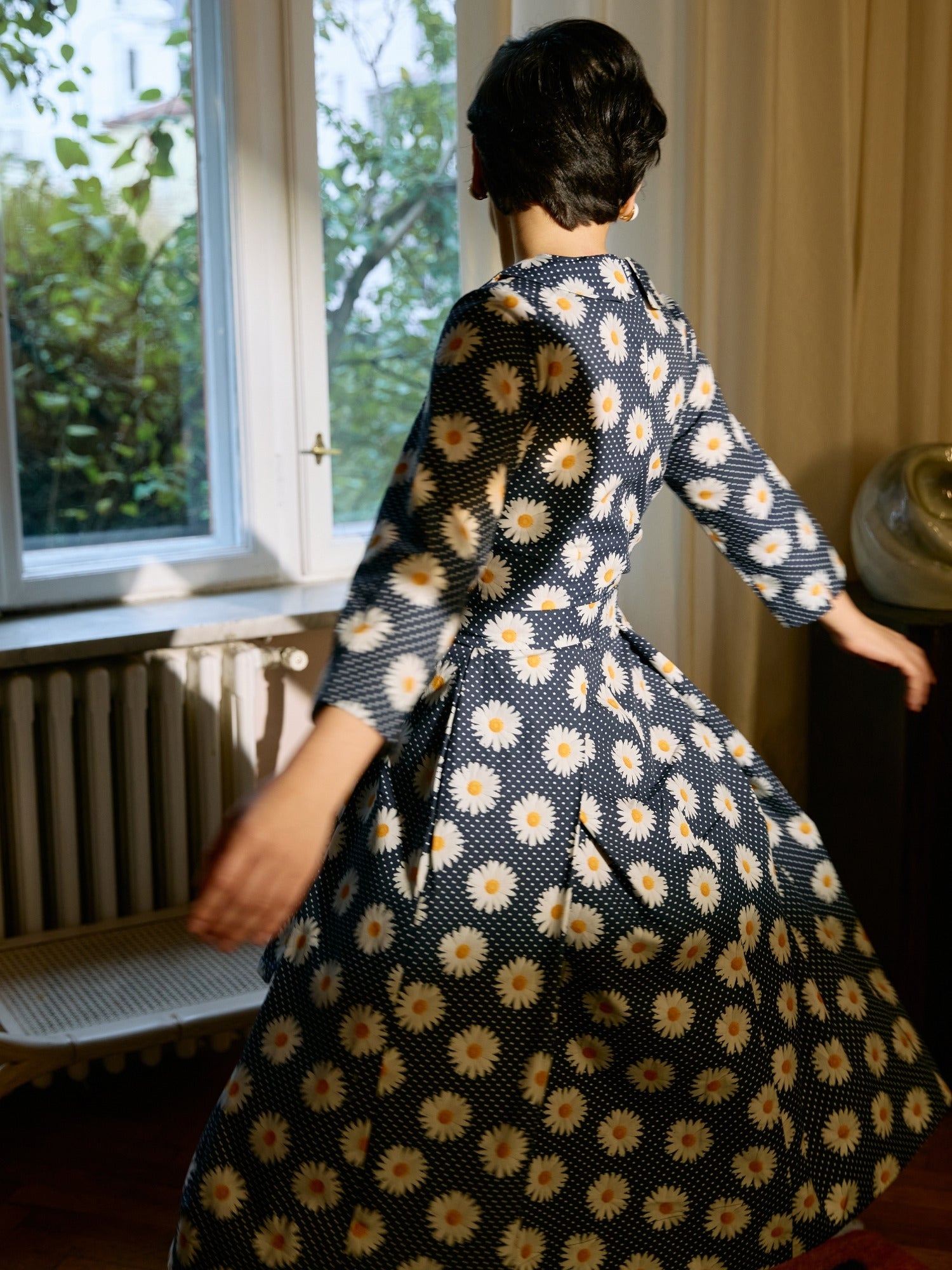
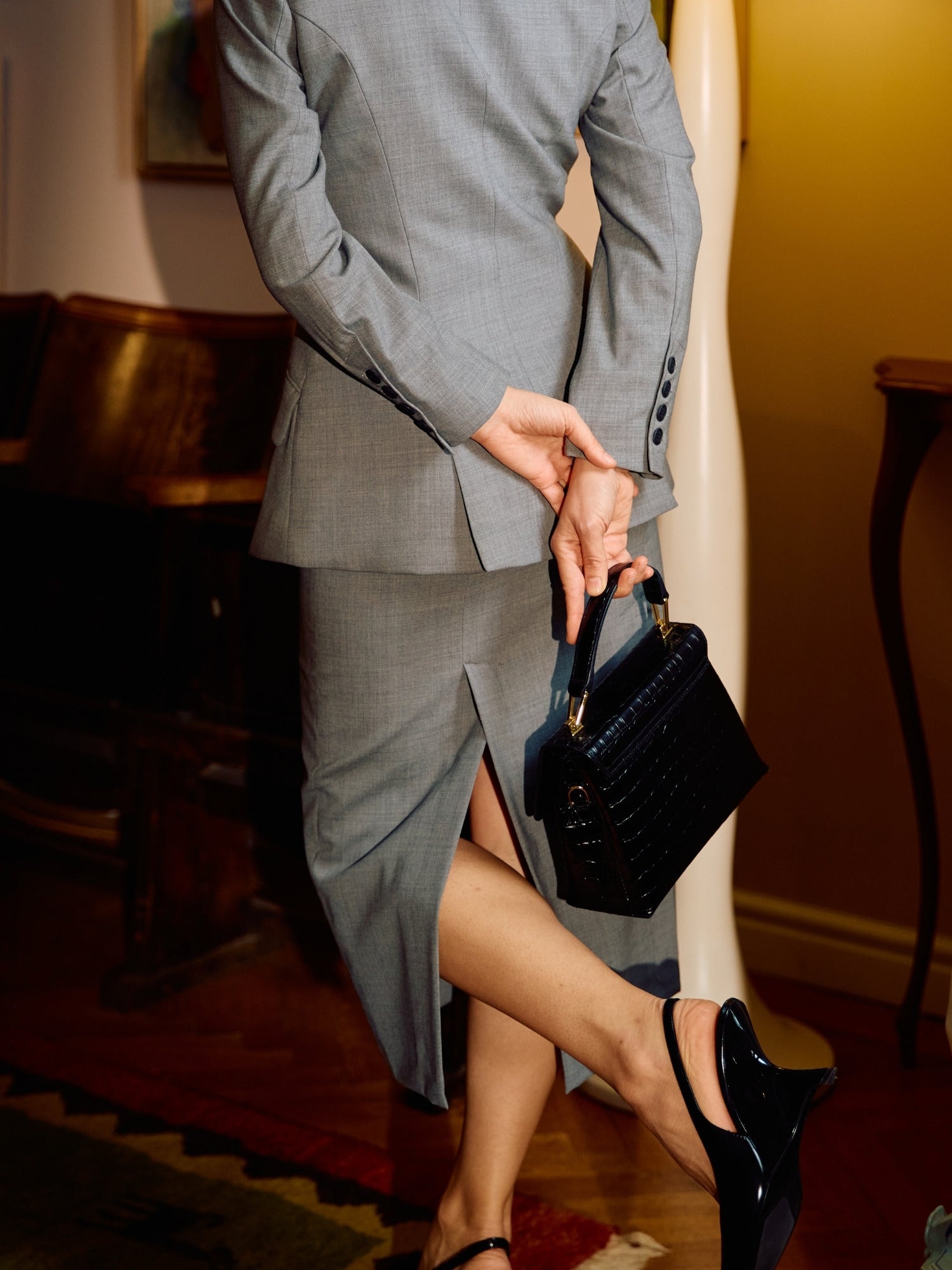
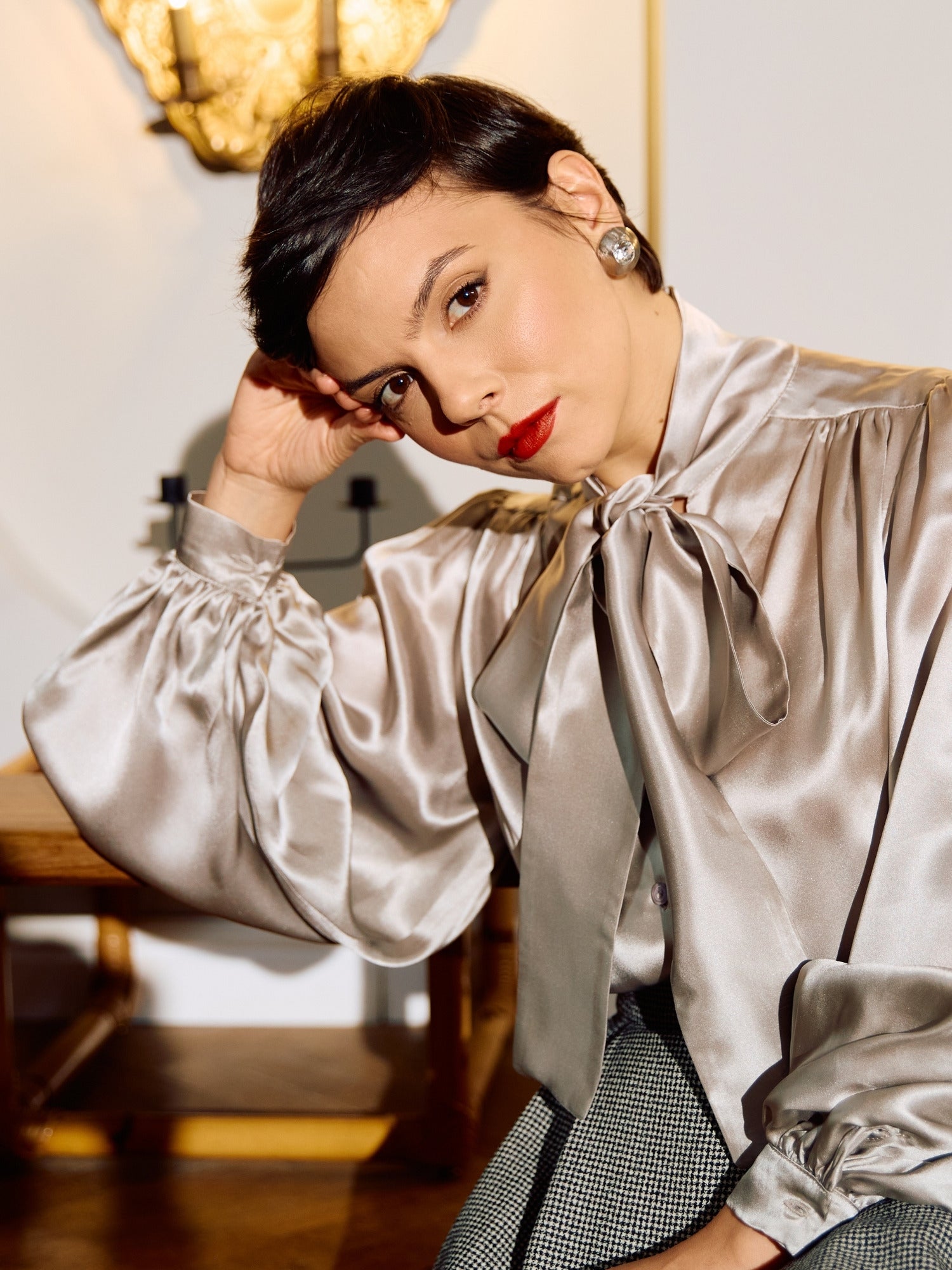
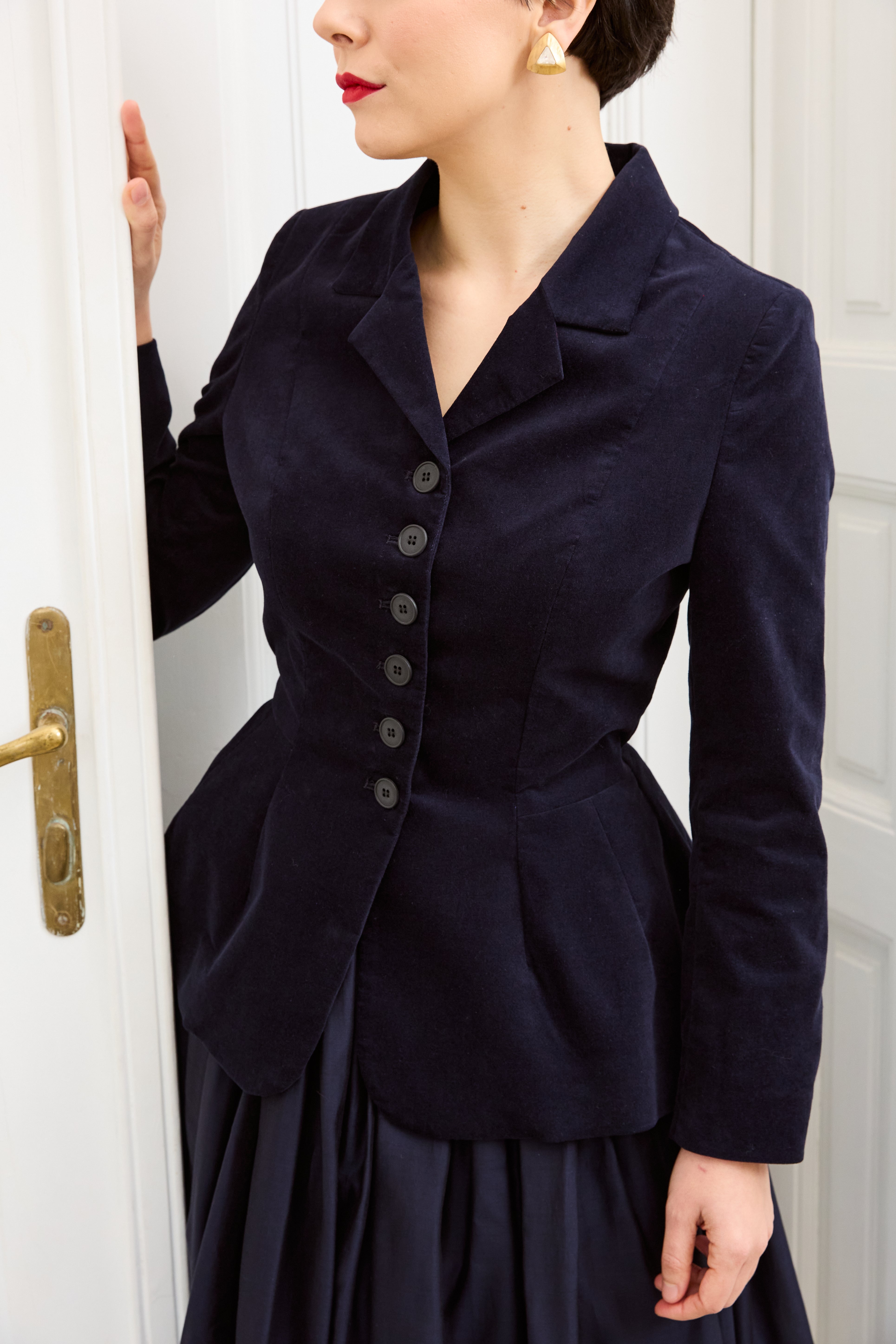
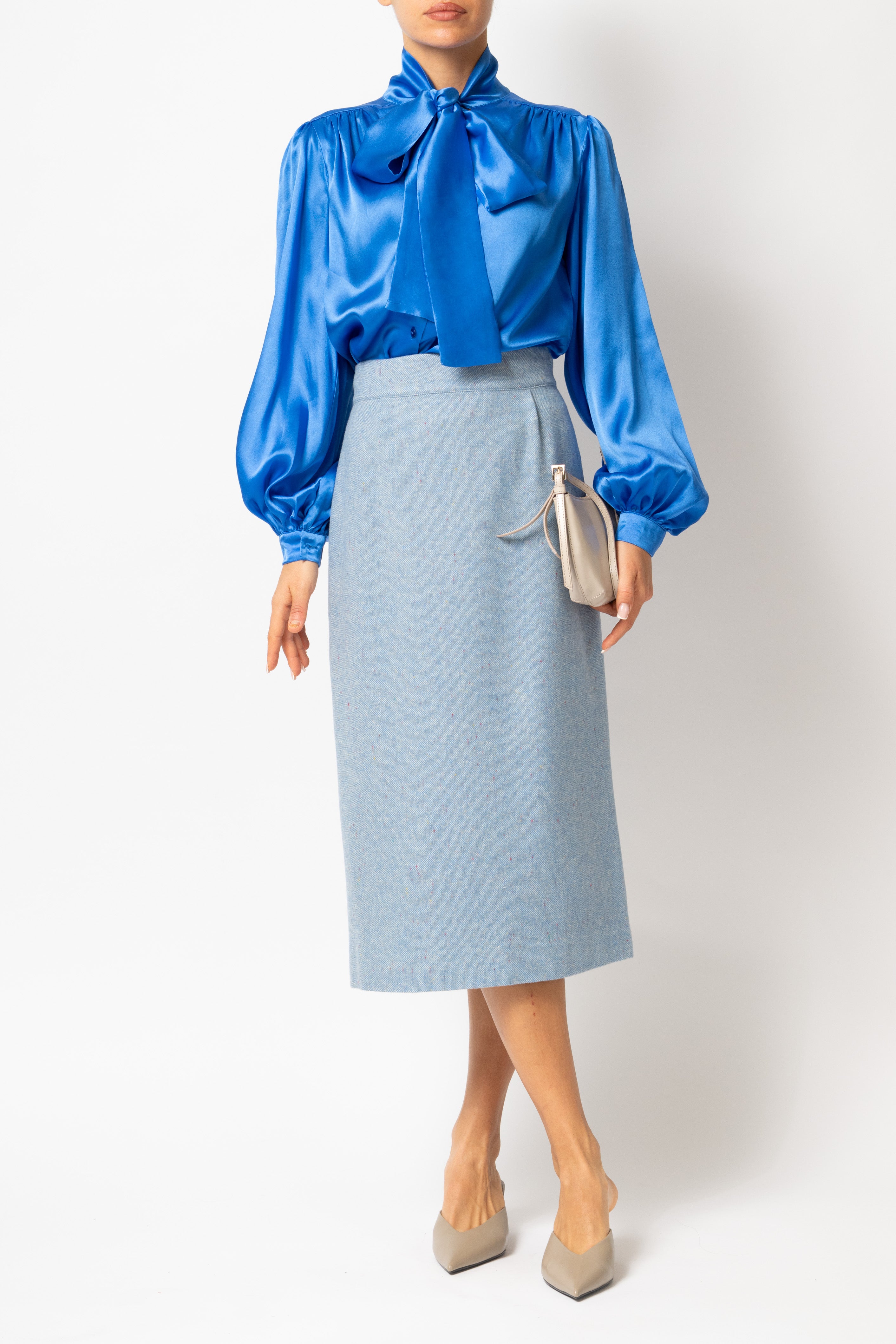
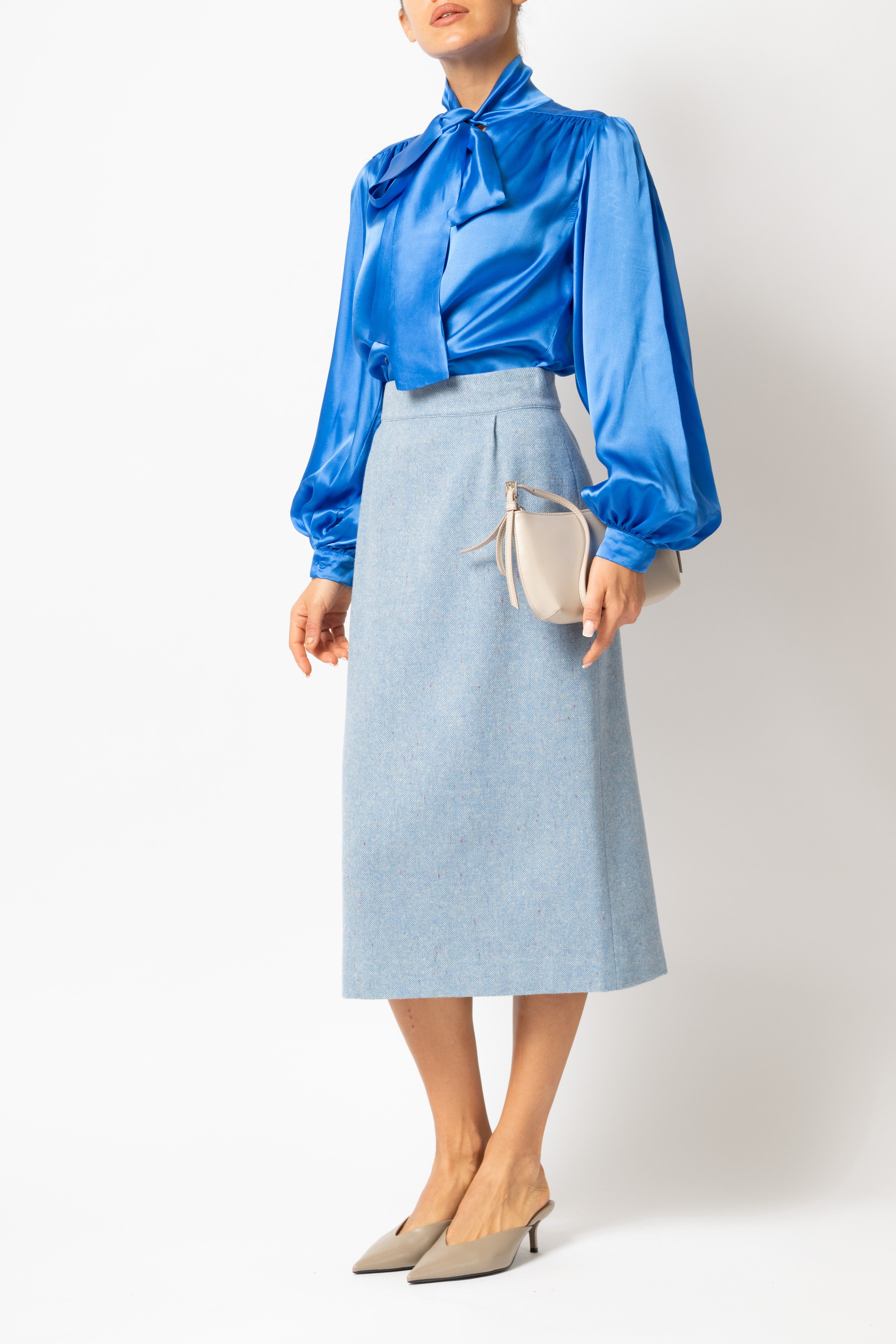
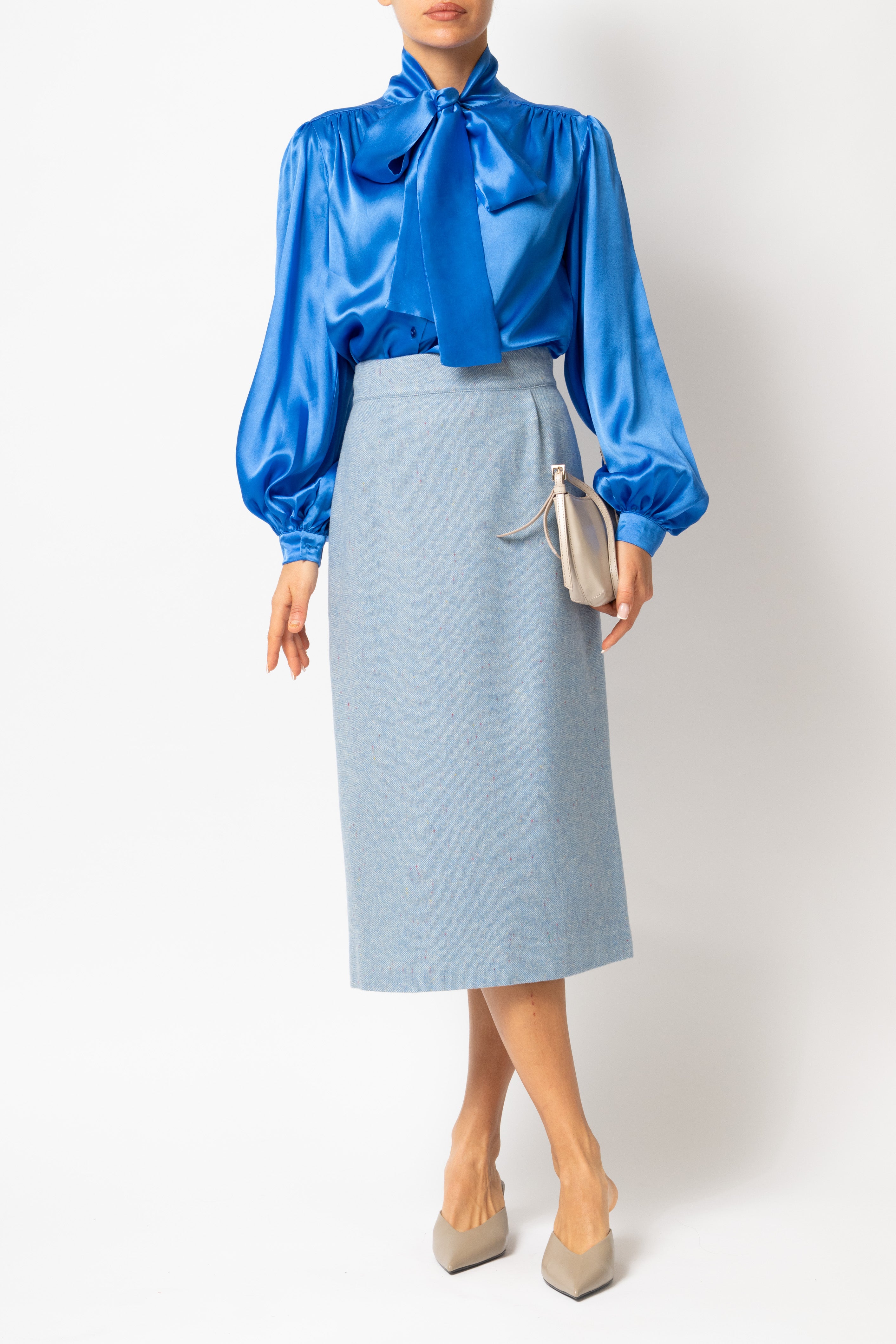
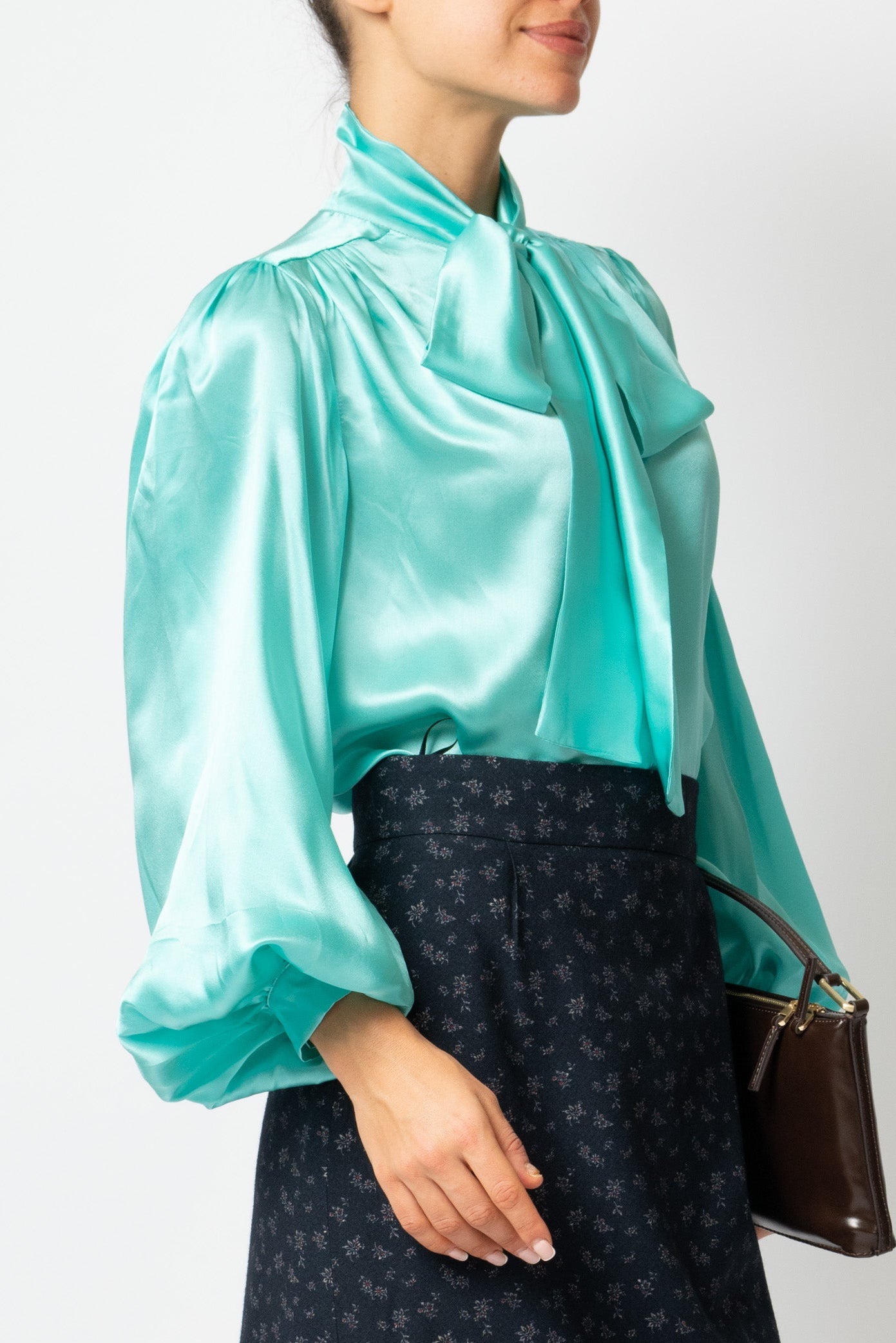
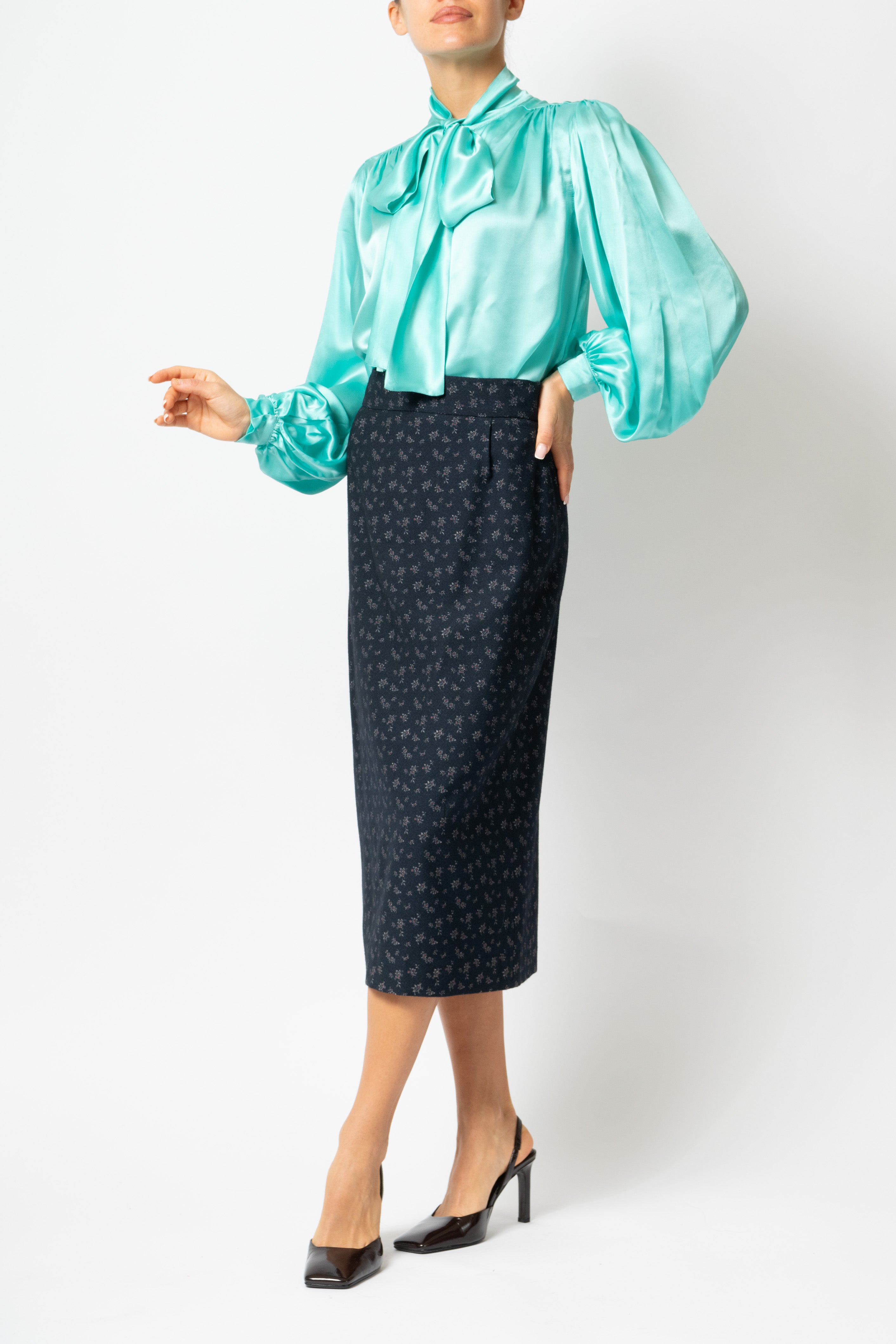
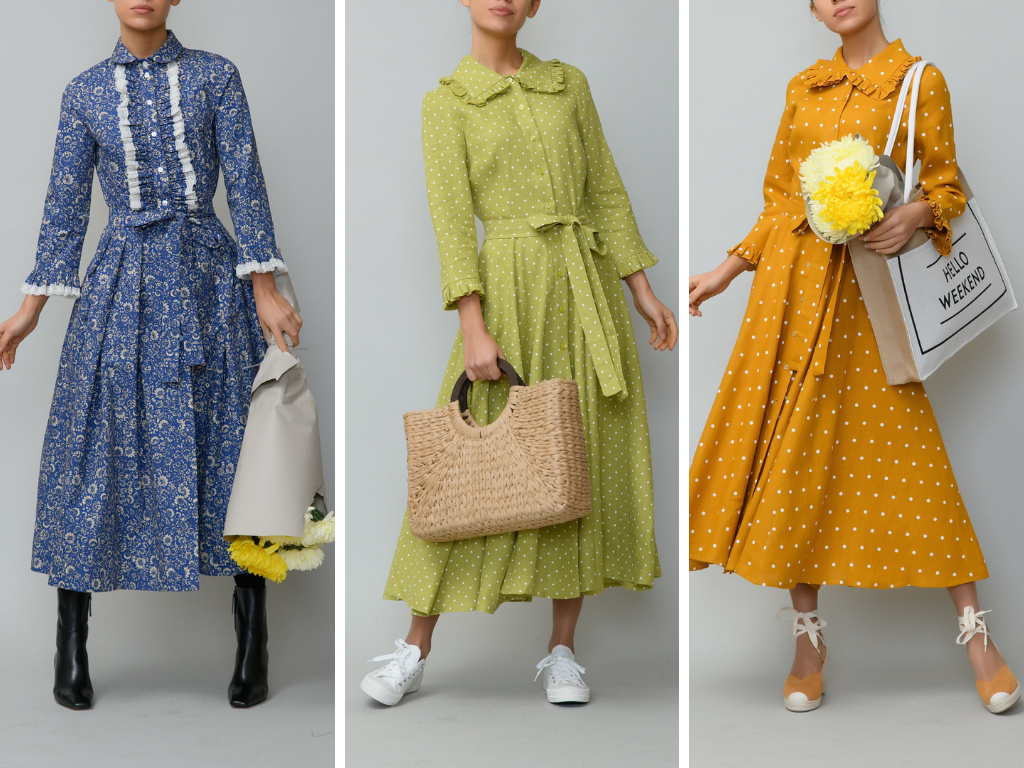
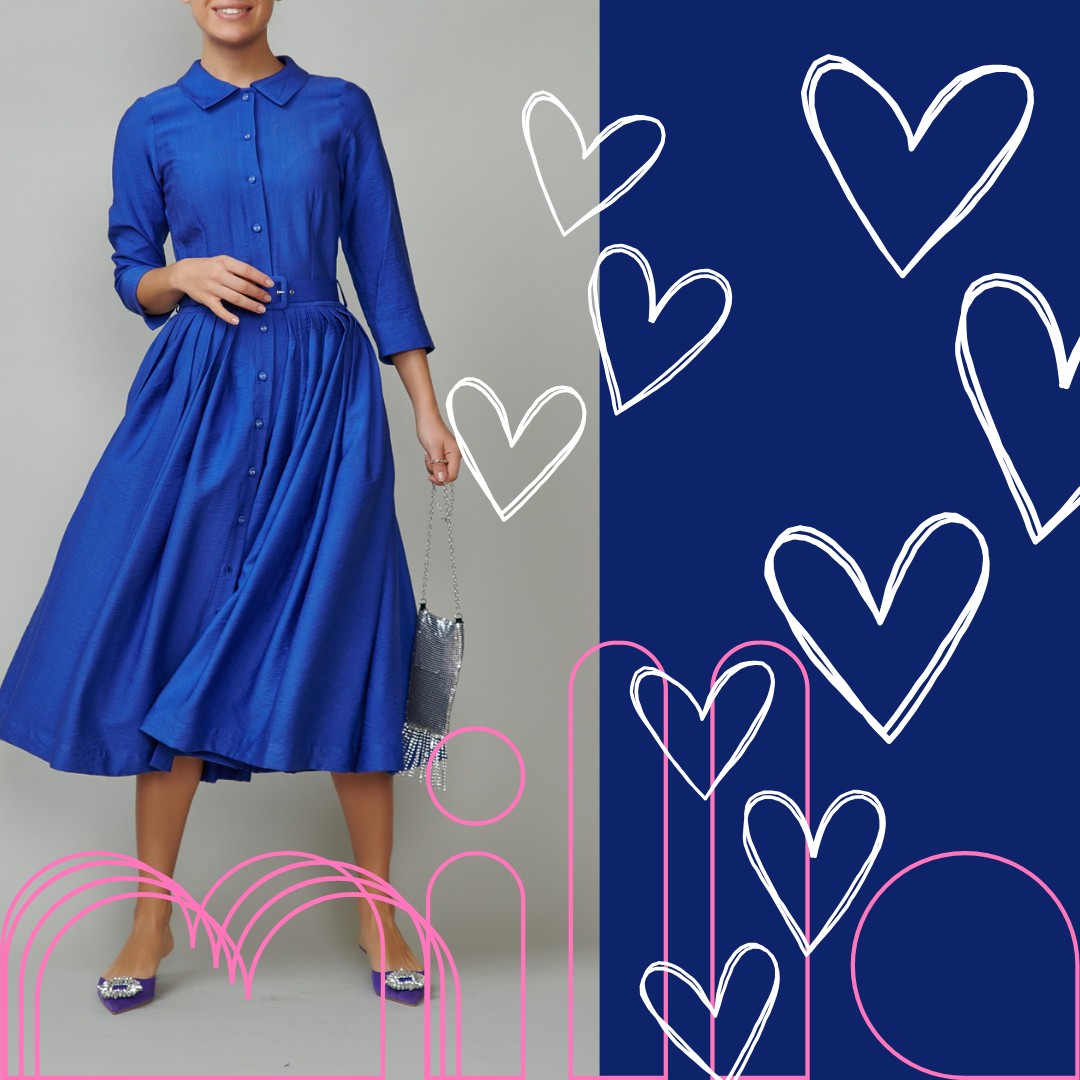
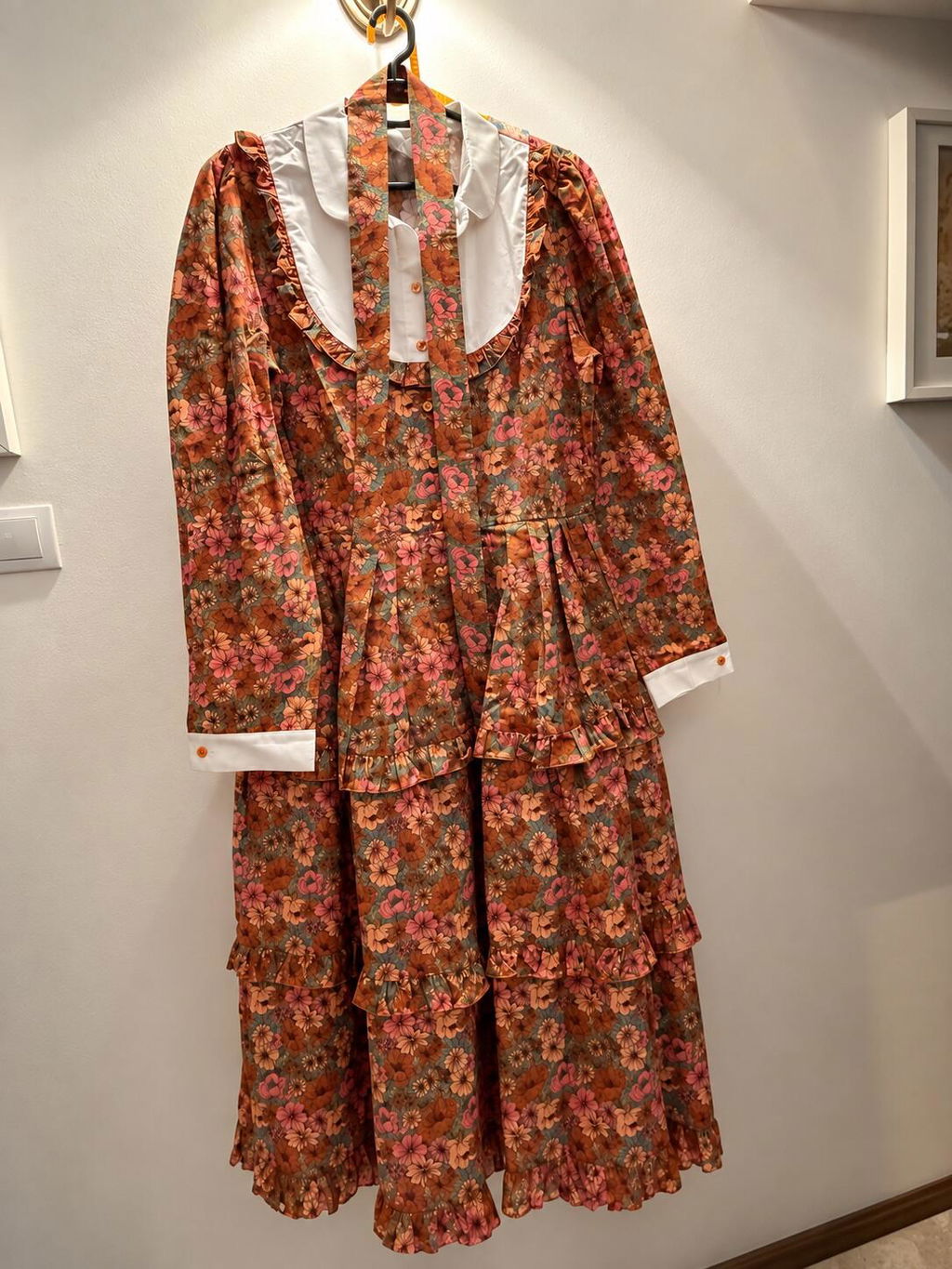
Today, designers use rayon to create elegant dresses , flowing blouses, and summer outfits that combine beauty with comfort. It is a favorite material especially in areas with hot and humid summers, because it remains pleasant on the skin even when temperatures rise.
In addition, modern variants like Tencel or Modal respond to the current need for more environmentally friendly and sustainable materials.
Conclusion
Rayon, also known as viscose, is a fascinating fiber: neither completely natural nor completely synthetic, but with a special charm. It is soft, breathable, cool and beautiful, with the ability to imitate silk, wool or cotton.
Even though it requires careful care, its advantages – comfort, versatility, premium appearance and affordable price – make it remain one of the most beloved materials in fashion.
Whether you're wearing a flowy summer dress , an elegant blouse, or soft lingerie, rayon clothes always add a touch of lightness and refinement.

Written by LUDMILA CORLATEANU
1 comment
Sunt interesata sa cumpar fir de tricotat Nm 2/50 , 72% ecovero viscoza+ 28% PES
Maria Parcalabescu
Leave a comment
This site is protected by hCaptcha and the hCaptcha Privacy Policy and Terms of Service apply.